






Different Types of Automotive Car Engines
We all get mesmerized by the beauty of the exterior of a car, forgetting that the interior tells what the car would be able to do. There are many critical interior parts of the car that keeps it running, one of which is the engine. But car owners hardly pay attention to this car part which holds power necessary for the car’s functioning.
The engine is secured under the car’s hood and usually looks like a gigantic jumble of tubes, wires, and metal. Car engines come in different varieties and forms, performing the same function. Basic knowledge about them can help make the difference between selecting the right car and saving on servicing fees. Read ahead to learn about the types of car engines, how they work, and the different engine models and cylinder configurations.
How Car Engines Work
Although there are different car engine types when talking about layout and sizes, most cars are combustion engine vehicles (except the hybrid electric models). In an internal combustion (IC) engine, fuel is ignited and combusted to generate mechanical energy. And the process that results in the release of energy from the fuel and air mixture present in the engine is called combustion.
Internal combustion engines are made of pistons and cylinders. The generated mechanical energy pushes the pistons into motion, which rotates the crankshaft. And the gears set in motion by this process help move the vehicle’s wheels.
The Combustion Cycle
Thousands of controlled explosions occur within the engine every minute it is running. Many IC engines have a combustion cycle with four strokes. The processes include:
- Intake: When pistons move up and down with the crankshaft’s motion, they reach the valves placed on the camshaft. The downward motion of the piston and rotation of the camshaft by the timing belt causes the valves to open and release the air-fuel mixture. This stroke is caked intake.
- Compression: During the compression stroke, the intake and exhaust valves remain closed. And the upward motion of the piston compresses the mixture towards the spark plugs.
- Combustion: The spark plug creates a spark that ignites the air-fuel mix and causes a small explosion. The force from the explosion pushes the piston down rapidly and produces the energy that powers the engine.
- Exhaust: The exhaust stroke is the final process in the cycle. The exhaust valve opens when the piston gets to its lowest point. As the piston moves up again, it ejects the gases produced by the explosion through the exhaust valve. Then the process is repeated.
Some engines use turbocharging to force in more air. Turbochargers are small turbines connected to engines. They produce an enormous explosion which results in more power. Turbo engines were first used to make more power in sports cars but are now used in smaller cars as well for more efficiency.
Diesel engines are also four-stroke engines. However, they are different from petrol engines in how they complete the combustion process. They rely on high compression ratios instead of using spark plugs to ignite the fuel-air mix.
Car Engine Models
There are different layouts for car engines. Their differences arise when considering fitting the engine beneath the bonnet or improving its fuel efficiency and smoothness. The following are the most common layouts:
- Inline
- Straight
- V
- VR and W
- Flat
Inline
In the inline engine layout, the cylinders are arranged in a line, with an upright position, usually perpendicular to the car. It is a popular layout since it allows for a more compact engine. And can be found in several small hatchback cars.
Straight
In a straight engine layout, cylinders are positioned in a line parallel to the car (front to back). For this reason, more cylinders can fit into the engine, allowing more power output. The layout is popular among powerful cars.
V
The cylinder arrangement depicts a V-shape when you look at the V-engine from the front side. The cylinders are arranged at a 60-degree angle. The V layout is found in high-performance vehicles as it allows for the squeezing of more cylinders, thus increasing the power output. Additionally, its cylinders consume less space compared to other engine layouts.
VR and W
The Volkswagen Group developed this engine layout. It has the same principle as V engines. But the cylinders have a very narrow space between them, and it looks like they are squished together in one block. The W configuration joins the two banks of VR engines at the base. However, manufacturers rarely use this layout.
Flat
The cylinders are arranged horizontally in a flat engine layout, with two rows facing outwards. This layout is not very common in cars, but they are well-regarded for keeping the center of gravity low, which aids car handling. Porsche and Subaru are one of the largest manufacturers using this layout.
Engine Cylinder Configurations
There are different types of engine cylinder configurations. Like cylinder arrangement, the number of cylinders can also determine the fuel efficiency, power, and noise an engine makes. Let’s take a look at them:
- Twin-Cylinder
- Three-Cylinder
- Four-Cylinder
- Five-Cylinder
- Six-Cylinder
- Eight+ Cylinders
Twin-Cylinder
This engine type is rare because it offers a low power output. Nonetheless, some manufacturers use turbo for cars equipped with twin-cylinder engines to increase power. An example is the Fiat TwinAir which can be found in cars like the Fiat Panda Aria and the Fiat 500 TwinAir.
Three-Cylinder
Three-cylinder engines produce prattling noises and exhibit shuddering vibration because of the odd number of cylinders which affects the engine’s balance. These engines are used on small cars. However, with the introduction of turbochargers, they now appear on larger family hatchbacks like the Ford Focus.
Four-Cylinder
Four-cylinder engines are found in several cars ranging from small to mid-range ones and are usually in an inline engine layout. This cylinder configuration is the most common. They offer a significant power output which can also be increased by introducing a turbocharger.
Five-Cylinder
Five-cylinder engines are rarely used since they have a vibration effect similar to three-cylinder engines. One manufacturer that uses five-cylinder engines is Volvo because the car’s comfort neutralizes the vibration effect.
Six-Cylinder
This cylinder configuration is found in sports and high-performance cars and is usually arranged in a straight or V-engine layout. Six-cylinder engines were not considered powerful, but thanks to turbochargers, they are now fitted to powerful cars.
Eight+ Cylinders
Cars equipped with eight or more cylinders are usually supercars. They are usually arranged in a V formation, hence the names V8, V10, V12, and even V16, found in the Bugatti Veyron.
Conclusion
An engine is the heart of a car. It transforms heat energy from the combustion process into mechanical energy that causes the car to move. Furthermore, there are different types of car engines, each offering different forms of power output and efficiency.
If you are interested in car parts and engine parts, visit our website at York Dodge Chrysler Jeep Ram. Schedule an appointment with us today for the best type of engine for cars.
Key Takeaways:
- Unusual noises coming from your Dodge may indicate a bigger problem.
- If you hear any strange noises, it’s best to take your car to a mechanic to have it checked out.
- Some everyday noises that may cause concern include engine noise, tire noise, and brake issues.
- You can spot the problem if you know what each noise means.
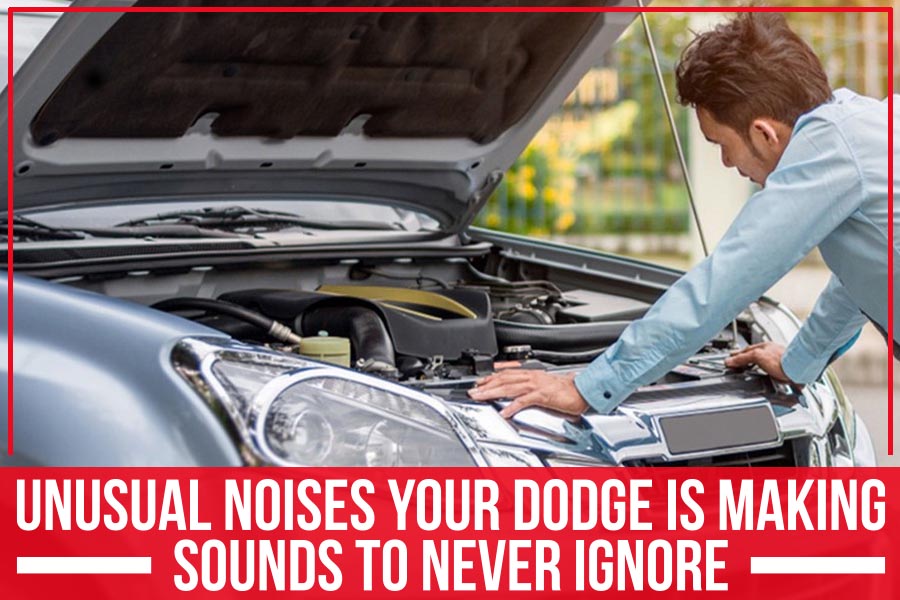
Any form of unusual sound is a sign of alarm. Be it a buzzing bee, a screeching cat, or a strange noise from the belly of your car. You heard it right. And it’s possible you already hear strange car noises in your Dodge but can’t put your finger on what the sound may be.
At York Dodge, we understand how important it is for car owner’s to be in the know of their vehicle. So, here’s a list of some unusual car noises your Dodge is making listed by the problem areas.
1. Engine Noises
Some common engine noises can be:
A rattling noise
If the sound you hear is close to metals rattling and coming from under the hood, it could signal engine failure. However, if this engine noise isn’t too loud, it may be due to loose components in the engine, such as heat shields or spark plugs.
On top of this, if you see that your check engine light is turned on, you must take your car in for professional help, as this could be a more severe problem.
A hissing car noise
This particular engine noise can be heard when you start your car in the morning. It could be due to a coolant leak. When the radiator hose or water pump starts to fail, it could result in a coolant leak.
Do notice if you see smoke coming from under the hood accompanied by a hissing sound. If both boxes tick, you have a severe problem and must take your car in for immediate repair.
An engine that knocks
Low oil pressure is generally the primary culprit of this lethal engine noise, but connecting rods can also make this noise. When your engine starts to knock, the fuel mixture detonates inconsistently in the cylinders.
This may damage your Dodge beyond repair. So what do you do? You guessed it, bring it in for a repair!
A whirring noise
You may hear a whirring noise when there’s a problem with an alternator or serpentine belt. If the alternator goes bad, your car will eventually lose power and come to a stop. The serpentine belt keeps all of the engine’s pulleys running smoothly.
If it breaks, your engine will overheat quickly. To resolve this problem (or should we say a range of problems), trust a Dodge service at a reputable dealership.

2. Tire Noises
A humming noise
When your wheels go out of balance (for many reasons), your Dodge will produce a particular humming sound. This tire noise is associated with vibrating tires, often making driving an unpleasant experience. Following some guidelines, you can save your tires from going out of balance.
A roaring tire noise
Your Dodge tires can only take so much wear and tear before they need to be replaced. If you start hearing a roaring sound when driving, it’s likely an indication that your tires are becoming bald.
It’s a common and one of the first signs of losing traction where you may start to feel your car drifting or sliding. Losing traction can cause lethal accidents, so if you notice bald spots or your tires are beginning to roar, get them replaced as soon as possible.
3. Brake Noises
A screeching car noise
It’s never a pleasant experience for your ears when you hear a screeching noise while driving. Unfortunately, this is often a sign that your brakes need attention. The underlying problem here is usually worn-down brake pads.
By getting your brakes serviced regularly, you can avoid this problem and keep your Dodge lively for a more extended period.
A grinding brake noise
If there could be one telltale sign that your brakes have a problem, it would be a grinding car noise. This is often indicative of metal-on-metal contact, which means that your brake pads have been completely worn down.
Another common issue is when dust and debris accumulate and get caught between the rotor and pads.
A squealing sound
You can detect your Dodge squealing when you start it up in the morning. But as you continue to drive, the car noise goes away.
This is often caused by humidity and condensation buildup overnight. When you first start to drive, the moisture on your brakes will quickly heat up and evaporate, causing that squealing noise. In other, more extreme cases, you will need to replace your brake pads.
4. Suspension Noises
A popping or creaking sound
Such sounds often point toward suspension issues. Your car’s suspension system ensures a smooth ride, regardless of the terrain. You’ll feel every bump, crack, and pothole when it fails to do its job.
Keep your ears peeled for any noises or sounds that seem to be coming from the bottom of your car. If the noise you hear falls close to a series of “pop,” your suspension is to blame.
A clunking sound
A clunking sound usually indicates that your shocks or struts have failed. What are these? Well, your shocks are designed to minimize the amount of contact between your car and the road. Your struts, on the other hand, support the frame and weight of your vehicle.
When either of these is not working correctly, you’ll feel every slight imperfection while driving.
Conclusion:
Cars are intricate machines with many different parts that all need to work together for the car to run smoothly. Just like with any other machine, problems and noises can occur when something isn’t working right. In this blog post, we’ve discussed some of the most common car noises and what might cause them. We hope this simple guide was helpful and gave you a thorough understanding of what’s going on under the hood (or inside your tires).
Dodge Dealership in Prescott, AZ
If you think you have a problem and would like us to take a look, please don’t hesitate to get in touch. At York Dodge, serving Prescott, AZ, we understand exactly what your Dodge needs. Our expert technicians will have a look at your vehicle and spot the problem in a jiffy. Let us help you resume your vehicle’s glory with our certified Dodge, Chrysler, Jeep, and Ram service.

Key Takeaways
- Retaining car value can be challenging, especially if you are a high mileage user.
- Your car loses value if you don’t follow basic maintenance measures.
- Scheduling frequent maintenance and repair and keeping a record of all visits to the dealership helps.
- A professional dealership is your best bet to get a reasonable price for your car sale and retain its value.
Whether you’re driving a beat-up old clunker or a brand-new luxury vehicle, keeping your car in good condition is essential. Regular maintenance makes your car look nicer and last longer, but it can also help retain its value. Here’s how to protect your ride from everyday wear and tear that can damage it over time.
How Does a Car Lose Its Value?
Over time, all cars go through the same depreciation process. Though some models hold their value better than others, every car will lose a certain percentage of its original value each year.
- The minute you drive your new ride off the dealer lot, it begins to lose value. Some estimates suggest that a brand-new car can lose as much as 20% of its value in the first year of a car sale alone! There are several reasons for declining value, but the two primary ones are (a) because cars are considered a “used” commodity as soon as they’re driven off the lot and (b) because most new cars begin to experience wear-and-tear immediately.
- Throughout the years, technological advancements have resulted in models becoming outdated relatively quickly. For example, a 2022 model might have features that aren’t available on a 2020 model. As newer models are released with updated features, the older models become less desirable and therefore lose value.
- Older cars require more maintenance and repairs. This is partly due to normal wear-and-tear, and parts begin to break down and need to be replaced. Of course, these maintenance and repair costs come out of your pocket, further contributing to the loss of value.
- The final reason why cars lose their value is simply because of supply and demand. When there are more used cars on the market than there are buyers for them, prices go down. This is Economics 101!
How to Protect Your Car’s Value and Get the Best Return When You Sell?
Whether you’re upgrading to a newer car model, or simply downsizing your life, selling a car is a process that requires some preparation. Taking the proper steps to protect your car’s value will pay off later when it comes time to sell.
Tip #1: Get Regular Maintenance and Keep Records of All Services Performed
Regular maintenance means changing the oil regularly, getting tune-ups as needed, and keeping track of when services are performed. Keeping records of all services rendered will show potential buyers that you’ve taken good care of the vehicle and help them feel confident that they’re making a sound investment.
Tip #2: Drive Carefully and Limit Exposure to Harsh Weather Conditions
Another way to keep your car in tip-top shape is by driving carefully and avoiding exposure to extreme weather conditions whenever possible. Harsh sunlight, for example, can cause fading and discoloration over time; salt from cold weather can lead to rusting and deterioration. Being mindful of how and where you drive your car can prolong its lifespan and maintain its value.
Tip #3: Keep it Clean, Both Inside and Out
It’s no secret that people are more likely to buy something that looks appealing. This rule also applies to cars—a clean car is a more valuable car. To ensure your vehicle looks its best before a car sale, wash it regularly (at least once a week), vacuum the interior (including under the seats), shine up the alloys, and polish the chrome. Taking pride in your ride will increase its resale value and make driving it more enjoyable in the meantime!
Tip #4: Invest in Customization or Upgrades That Add Value
If you want to add value beyond regular maintenance, there are a few modification options you might want to consider. For instance, installing a new stereo system or painting the exterior can give your car extra curb appeal without breaking the bank. Just be sure not to go for anything too drastic; after all, you want the new owner to be able to undo any changes easily if they so choose.
How does the Dealership You Choose for Vehicle Maintenance Influence Your Car’s Value?
When you’re ready to sell your car, you want to get the best price possible. But did you know that the dealership you choose for vehicle maintenance can impact your car’s value? That’s right; taking your car to the dealer for service or going to an independent shop can make a difference come sale time. Here’s how.
Dealer vs. Independent Shop Maintenance: Which Is Best for Your Car’s Value?
When it comes to maintaining your car, you have two options: taking it to the dealership or an independent shop. Both have pros and cons, but which one’s better for your car’s value? Let’s take a look.
The Dealership Advantage
The main advantage of taking your car to the dealership for service is that you know the work will be done by qualified technicians using genuine parts. This is especially important if you have a luxury vehicle or one that is still under warranty. However, this peace of mind comes at a price; dealer services are typically more expensive than those offered by independent shops, but you get a job well done.
There are also fewer instances of getting scammed or hoodwinked into a sub-par service. You are guaranteed a solid job, and the auto technicians ensure your car’s value is retained till the end.
So, which should you choose—the dealership or an independent shop? If cost is no object and you want peace of mind knowing your car is being serviced by qualified technicians using genuine parts, then the dealership is the way to go.
By following a few simple tips and keeping up with your car’s regular service schedule, you can protect your wheeled investment and retain its value for years to come. York Dodge, serving Prescott, AZ is here to help you every step of the way; our teams of auto experts are dedicated to providing top-notch service that will keep your car running like new.
Schedule a service today, and let us take care of everything!
Is Coolant The Same As Antifreeze? Let’s Discuss!
Key Takeaway:
- Antifreeze are chemical compounds that keep the water in your car’s cooling system from freezing blend
- Coolant is a half-and-half mix of antifreeze and water.
- IAT, OAT, and HOAT are some general types of vehicle coolants.
- Maintaining your coolant levels ensures your engine is saved from any potential freezing or overheating.
Your car fluids are as important as any other component. They keep your vehicle running at its optimum and ensure that your engine doesn’t run into any problems. One such significant car fluid is your car coolant, or what some people know as antifreeze. However, both have their respective similarities and differences.
York Dodge brings you this essential guide to explore these distinctions and similarities. Let’s begin.
What’s the Difference Between Antifreeze and Coolant
In purely technical terms, they’re not so different, but if you want to ask, “Can we use antifreeze instead of coolant?” the answer is a resounding no. Let’s explore the antifreeze vs. coolant debate in more detail and find out exactly what each does.
Antifreeze
Antifreeze compounds are essentially used for lowering the freezing point of water-based coolant mixtures. This property helps keep your car’s engine from freezing during winter. In addition, antifreeze also raises the boiling point of the coolant, which helps to prevent overheating during summer.
Coolant
On the other hand, your car’s coolant is responsible for both cooling and heating. Its job is to transfer heat away from engine parts that generate a lot of heat, like the cylinder head and exhaust manifold. In winter, coolant also helps to heat the engine faster so that it reaches its optimal operating temperature sooner.
The interesting thing is that coolant is a diluted solution of antifreeze and water. The antifreeze is added to the coolant to lower its freezing point, while the water is added to raise the coolant’s boiling point.
Similarities Between Antifreeze and Coolant
Now that we’ve covered the basics of antifreeze and coolant let’s discuss some similarities.
For starters, both antifreeze and coolant typically comprise ethylene glycol or propylene glycol. In fact, most antifreeze on the market today are made from propylene glycol because it’s less toxic than its predecessor.
Another similarity between antifreeze and coolant is their rust and corrosion inhibitors. These additives prevent rust and corrosion and save your engine from extensive damage in the long run.
Let’s look at some of the major types of antifreeze and coolant on the market:
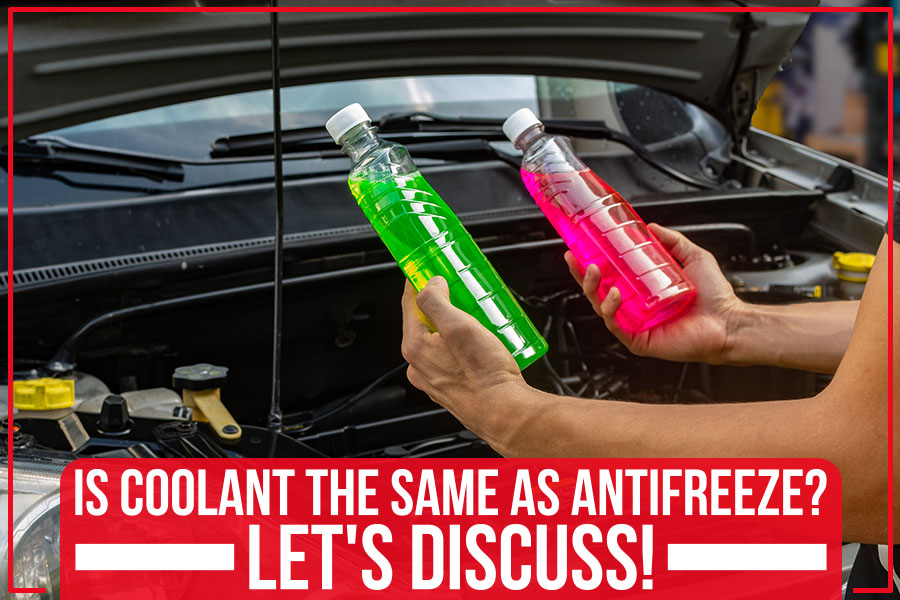
- Ethylene glycol antifreeze: This is the most common type of antifreeze and coolant on the market. It consists of ethylene glycol and typically comes in a green or blue color.
- Propylene glycol antifreeze: Unlike ethylene glycol antifreeze, propylene glycol coolant is non-toxic. It’s also biodegradable, making it a safer choice for the environment.
- IAT coolant: IAT coolant is made chiefly from ethylene glycol (could also use PG) and is rust famous for its rust-resistant properties. The difference in IAT coolant from others comes from the additives used in the coolant.
- OAT coolant: OAT coolant is made from ethylene or propylene glycol and typically comes in red, orange, or yellow. It’s known for its long lifespan and ability to withstand high temperatures.
- HOAT coolant: Unlike other coolants, HOAT coolant is made from a mix of ethylene and propylene glycol. This kind of coolant combines the benefits of both IAT and OAT coolants. It’s also yellow but typically has a greenish tinge to it.
What Happens When Your Car Has Low Coolant Levels?
1. The engine overheats.
Since the idea of having antifreeze is to keep your engine cool, it’s no surprise that an overheated engine is one of the main effects of low coolant levels.
2. The car’s cooling system cannot adequately cool the engine.
When car owners come to us complaining about their vehicle overheating, low coolant levels are often the root of the problem. After all, not everyone can be a master at knowing how much antifreeze their car needs.
3. Coolant leaks result in low coolant levels.
Sometimes we give all the emphasis to oil change and maintenance and often push the idea of antifreeze to the backburner. Coolant leaks often go unnoticed and can lead the coolant levels to drop significantly.
4. Your heater stops responding.
Low coolant levels can also be the reason your heater isn’t responding. The heater draws heat from the engine to warm up the cabin, so if the engine isn’t cooling properly, neither will your heater.
5. You face recurrent engine issues.
An engine that is not adequately cooled will face frequent issues. If you notice your engine sputtering or going through oil quicker than usual, it might be time to top-up your coolant levels.
Tips For Checking Your Coolant Levels:
– Check your car’s coolant levels at least once a month.
Despite what you might see in commercials, antifreeze does not last forever. Over time, it will break down and become less effective. Combine this with a leaking situation, and you have a recipe for disaster. So make sure you’re checking your coolant levels regularly.
– You must check your car’s radiator and cooling system for leaks.
As a collateral measure, you should also check for antifreeze leaking from your car. If you see a green liquid (that’s not water) on the ground where you park your car, it’s likely antifreeze.
– A coolant flush may be necessary.
Sometimes, there’s a need for antifreeze replacement. This is called a coolant flush. Your mechanic will remove the fluid from the system and replace it with a fresh mixture of water and antifreeze. Repeating this every few years is recommended to prevent rust and corrosion in the system.
– The antifreeze/coolant mixture should be 50/50.
The coolant in your car should be a 50/50 mix of antifreeze and water. The balance is needed to ensure the coolant can do its job in hot and cold weather.
Consider Professional Car Service in Prescott, AZ!
The benefits of regular car service are not just restricted to oil changes and antifreeze top-ups. Getting your car serviced on time is always advisable to avoid any significant issues and expensive repairs down the line. Speaking of which, York Dodge can help you with any auto service.
By entrusting your car to a professional dealership service center like ours, you can be assured that your car is in good hands. We will check all the fluid levels, brakes, and tires during the process. We offer two maintenance packages:
- 5000 miles or six months
- 15000 miles or twelve months
Avail of our service to keep your car running like new! Make an appointment today!
10 Questions To Consider In A Car Lease/Buy

Key takeaways:
- Leasing a car can be a great way to get a new car without having to go through the inconvenience of trading in or selling your old one every few years. However, if you plan on driving more than the average person, leasing might not be the best option, as you could pay more in mileage fees.
- While financing a car may have higher monthly payments, you will eventually own the car outright. This can be beneficial if you keep the car for many years or pass it down to another family member.
- Before signing any papers, do your homework and compare offers from many vendors.
Deciding between buying and leasing is important, whether it’s your first or fifth car. Do you save money for a down payment and finance the remaining amount to buy your wheels? Or would renting a car—a lengthy rental—be a better option?
The choice between leasing or financing a car relies on many variables, including your budget, expected mileage, and how long you want to retain the vehicle. Here are some questions York Dodge has prepared for you to contemplate as you consider your options.
Question 01: What amount of car payment am I looking for?
Down payment:
A greater down payment might decrease your monthly payments if you’re financing a car. A down payment on a lease may or may not significantly lower your monthly payments. To evaluate total expenditures throughout the lease term, request two quotes: one with a down payment you can afford and one without.
Monthly payments:
When leasing a car, you’re only paying for the depreciation of the vehicle plus interest, taxes, fees, and any other charges specified in your lease agreement. However, when you are financing a car, you’re also paying for the interest on your loan. Throughout the loan, this can add up to hundreds or even thousands of dollars.
Question 02: How long do I plan to keep the car?
If you’re the person who constantly wants to drive something new, leasing can be a better choice than owning a car since lease lengths are typically three years. However, remember that if you need to return your leased vehicle early, you’ll still be responsible for paying any outstanding payments and contract termination costs. Financing or a car loan may be better if you value ownership and want to use the vehicle for as long as feasible.
Question 03: How many miles do I plan on driving per year?
Mileage is important to consider because, with a lease, you’re typically allotted a certain number of miles per year — usually between 12,000 to 15,000. If you go above that limit, you’ll be subject to fines and significant per-mile overage fees on top of that. When financing a car, there’s no limit on how many miles you can drive.
Question 04: How does the insurance involvement work?
Since the leasing company technically owns the vehicle outright and wants to ensure it is adequately insured in case of an accident, leasing frequently results in a higher insurance rate. Although the baseline coverage requirements won’t be as high, the finance company will still demand insurance when financing a car. Of course, you should always carry enough insurance to cover your needs.
Question 05: What matters more when it comes to trade-ins?
Leasing an automobile is hard to match for convenience. Driving to the dealership, turning over the keys, and walking away is about as easy as it gets. However, buying is preferable if you want the chance to receive cash for your old automobile. You may immediately start saving money by using whatever your automobile is worth during trade-in as a down payment for your future vehicle.
Question 06: Am I prepared for unexpected maintenance expenses?
All auto manufacturers provide standard warranties to cover broken items. Additionally, several automakers provide maintenance contracts that include wear-and-tear items like brakes, wipers, and engine oil. If you lease a car, your whole lease term could be covered, and you might not have to pay maintenance-related costs because these warranties and maintenance agreements often run for three or four years. After these contracts expire, you will be responsible for paying these costs or doing the necessary auto repairs if you decide to purchase and maintain your vehicle.
Question 07: Do I like to change?
You may receive a new automobile every two to three years by trading in your old one if you have a lease. Leasing may be ideal for people who like to have the newest car models and don’t mind making monthly payments. If you purchase a car, on the other hand, you can keep it for as long as you want and eventually sell it or trade it in for a new one.
Some individuals like to have the option of buying a new automobile every few years, while others prefer to make payments on something they already own outright.
Question 08: How well will I maintain its condition?
When you return a leased car after three years, normal wear and tear, such as worn tires and windshield wipers, is expected; anything past that might result in a fine. Purchasing a car can be a better choice if you want to stop thinking about this.
Question 09: Do I want to modify the vehicle?
You should purchase your automobile if you want it to reflect your individuality through features like unique wheels. Customizing a vehicle is typically not possible while leasing one. You might be able to recuperate some of your costs if you improve elements like the music system or the safety features when you trade the car in.
Question 10: Will I be working a side job with the car?
If you plan on starting a business or using a car to make extra money through services like Uber, you should purchase a car. Leasing companies typically frown upon this as contractual restrictions often apply to corporate usage. Additionally, driving for work might result in you exceeding your yearly mileage cap significantly. Before using the automobile for anything more than ordinary driving, it is important to first speak with the leasing company.
Ending note:
Leasing or financing a car is a big decision with many variables. Weigh all the pros and cons before choosing to ensure you get the best value and deal for your money.
York Dodge Chrysler Jeep RAM serving Prescott, Arizona, specializes in new and used automobiles. You can get your dream car with the help of our finance team.
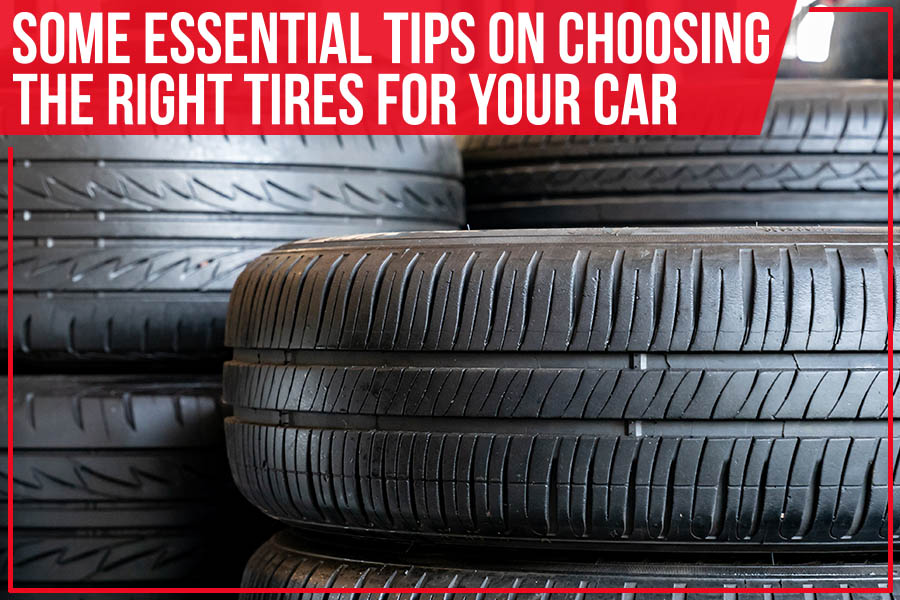
When it comes to tire replacement, choosing the right type is important. There are many factors to consider – from the type of surface you’ll be driving on to the weather conditions in your area.
Let’s explore a few tips by our tire experts to help you pick the perfect tires for your car:
1. Determine the Size & Type of Tire
When you’re shopping for car tires, the first thing you need to do is determine what size and type of tire you need.
The tire size is based on the diameter of the wheel, and you can easily locate this info in your car’s owner’s manual.
As for the type of tire, there are three main options: all-season, summer, and winter. All-season tires are a good choice if you live in an area with mild winters, while summer and winter tires are designed for more extreme weather conditions.
2. Choose the Right Tread Pattern
Once you know the size and type of tire you need, you can start to narrow down your choices by looking at different tread patterns. A tire’s tread pattern is the design on its surface that helps provide traction. People living in wet climates need a tire with a tread pattern that can help evacuate water from under the tire. This helps in preventing hydroplaning. You’ll want a tire with deeper grooves that can grip the snow in snowy conditions. And for dry conditions, you’ll want a tire with shallower grooves that can provide good traction on pavement.
3. Consider Tire Warranties
When you’re looking at tires, you’ll also want to consider the warranties that are offered. Some tire manufacturers offer road hazard protection, which can cover repairs or replacements if a pothole or other object damages your tire. Others offer treadwear warranties, guaranteeing a certain mileage from your tires. Some tires offer a combination of both!
4. Think About Your Driving Needs
When choosing tires, it’s important to consider your driving needs. Does your daily route involve highway driving? Or a lot of off-roading? For highways, fuel-efficient tires may be a priority, while off-roading requires tires that can handle tough terrain.
5. Choose a Reputable Brand
There are dozens of tire manufacturers, so it can be tough to know which one to choose for a tire replacement. You can start by looking for a reputable brand that offers a tire that meets your needs. The most popular tire brands include Michelin, Pirelli, and Goodyear.
6. Budget
Finally, don’t forget to factor in the cost. Tires can vary widely in price, so it’s important to find something that’s affordable. Once you’ve done all of your research, you should be able to find the perfect tire for your car.
Choosing the right tire for your car doesn’t have to be difficult. Just keep these tips in mind, and you’ll be able to find a great option in no time.
At York Dodge, serving Prescott, AZ, we have committed ourselves to assisting and supporting our customers to the greatest of our abilities at our dealership. Whether your car needs a service or major repairs – our staff is here to help! We offer the best tires at our tire center. Just type the year and model of your car, and you’re good to go!

Are you in the market for a used car? Have you considered buying a certified pre-owned (CPO) car? CPO cars are used cars certified by the manufacturer as being in good condition and meeting all of the manufacturer’s standards. Certified pre-owned (CPO) cars are becoming increasingly popular for budget-conscious car buyers. But what exactly are CPO cars, and why are they such a great deal?
If you’re thinking about buying a CPO car, here are a few things to know before you do:
What is a CPO Car?
CPO cars are late-model used cars that have been rigorously inspected by the manufacturer and come with an extended warranty. These cars are excellent for people who want the peace of mind of a new car but can’t afford the high price tag. In addition, CPO cars often come with many other benefits, such as special financing deals and exclusive customer service programs.
What Benefits Does Certification Offer?
Certification offers several benefits for CPO cars:
- First, it provides buyers with the peace of mind, knowing that a certified mechanic has thoroughly inspected their vehicle.
- Second, it can help to increase the resale value of the car, as CPO vehicles are often in high demand.
- Third, certification offers additional protections for buyers, such as extended warranties and roadside assistance.
Ultimately, certification is a valuable investment that can help to make owning a CPO car a more enjoyable and hassle-free experience.
How to Find Your Perfect CPO?
· Do Your Research
When shopping for a CPO car, it’s essential to do your research. Start by considering which make and model you’re interested in. Once you’ve narrowed down your options, take the time to read up on each one. Look for reviews from drivers as well as experts, and pay attention to any safety or reliability concerns that have been raised.
· Find a Dealership
Once you’ve found a few CPO cars that seem like a good fit, it’s time to start looking at individual dealerships. Be sure to check out both national chains and local independent dealerships. It’s also important to compare prices between different sellers; even though CPO cars typically come with set pricing, there can still be some variation depending on the dealership.
· Take a Test Drive
When you’ve finally found the perfect CPO car, it’s time to take it for a test drive. This is an essential step in the process, as it will allow you to see how the car feels and ensure that everything is in working order. If possible, try to take the car on a variety of different road types so that you can get a sense of how it handles in different situations.
· Time to Negotiate
Once you’re satisfied with the car, it’s time to start negotiating. Remember that you have leverage as a CPO buyer, so don’t be afraid to haggle a bit on price. Ask about any extras you might include in the deal, such as extended warranty coverage or service contracts.
York Dodge serving Prescott, AZ, is the place for all your car needs! We have an extensive selection of certified pre-owned cars for sale, and our experienced staff will work with you to find the perfect vehicle for your needs.

Most people don’t give much thought to their car air filters – whether the cabin filter or the engine – heck, even the oil filter gets ignored! These filters may be out of sight, but you should never let their maintenance slip by!
And did you know that neglecting any of the filters mentioned above for too long can drastically affect your vehicle’s performance and engine health? Well, now you know.
Today, we’re focused on the air filter that sieves clean air into the engine.
Here’s How It Works:
Over time, your car’s engine air filter gets clogged with dirt, dust, dead bugs, and other particles, reducing a significant amount of airflow to your engine. The restricted airflow greatly impacts the vehicle’s performance because it needs the air supply for the correct mix of fuel & the combustion process. When the engine doesn’t get enough air, it has to work harder, consuming more fuel in the form of waste.
So, if you want to improve your car’s gas mileage, replace the air filter regularly. It’s especially important to do it in summer when the vehicle is used more often, and the air filter is prone to get clogged faster.
Benefits of Replacing The Engine Air Filter
The benefits of a new filter are endless. Let’s look at a few:
– Improved gas mileage.
By removing the obstructions causing your car to pollute more, you can increase its gas mileage by up to 10%. This helps lighten your budgetary load and is beneficial for the environment too. It also brings an added advantage if you’re someone who’s keener on savings.
– Increased power.
When the air supply is obstructed to your engine, it has to work harder, which results in a decrease in power. A newly replaced filter will enable your car to draw less power and perform at its peak.
– Longer engine life.
You also protect your car’s engine from wear and tear by keeping the harmful particles out. A well-maintained engine runs longer, so you can enjoy years of driving pleasure.
How to Replace The Engine Air Filter?
Replacing your air filter is a far quicker and easier process that can significantly impact your gas mileage. Let us explain how to do this with three easy tips:
- Check your car’s owner’s manual to find out when to replace the air filter. Depending on your car and driving conditions, you may need to replace it every 15,000 to 30,000 miles.
- When ready to replace the air filter, head to your local auto parts store or dealership. They’ll have the right air filter for your car.
- Installation is easy! Follow the instructions in your car’s owner’s manual or ask a professional at the auto parts store or a reputable dealership.
Conclusion: Trust In A Professional!
Speaking of professional help, you must rely on car air filter replacement services to get the job done. Trying to do things yourself when you’re not familiar with cars can lead to car damage and potentially void your warranty. To help avoid further damages and expenses, leave the matters in the hands of an expert.
If you’re looking for an air filter replacement or other car services, you can trust the experts at York Dodge, serving Prescott, AZ. Our clients know us as the premier destination for all their car needs. We can take care of your air filter replacement and more.
So, schedule your service without any delay – today!

It’s raining, and you’re stuck at home with nothing to do. You think to yourself, “I could go for a drive.” But is it a good idea? Driving in the rain can be hazardous if you’re not prepared.
York Dodge will discuss seven crucial things you need to know before going out in the rain. These tips can keep you safe on the road and help you make it to your destination without problems. You must know how to drive in the rain if you live in an area where it rains.
1. Slow Down
Driving too fast is the most significant mistake people make when driving in the rain. It would help if you gave yourself more time to react to things on the road, so slow down and take your time.
2. Turn on Your Lights
It seems like a no-brainer, but people usually forget to turn their lights on when they start driving in the rain. It would help if you were visible, so make sure your lights are on.
3. Don’t Use Cruise Control
Using cruise control in the rain could make you lose control of your car, so turn it off before you start driving in the shower.
4. Pay Attention to The Road
It seems like another no-brainer, but paying attention to the road while driving in the rain is essential. Look for puddles and water on the road, and be prepared to brake if necessary. Puddles can be deceiving! They may look shallow, but they can be pretty deep. If you hit a deep water pool too fast, you could hydroplane.
5. Be Extra Careful Around Trucks
Trucks have a lot of weight and splash water on the road when they drive through puddles. Be extra careful when moving behind them, and give yourself plenty of space.
6. Use Your Windshield Wipers
It is a no-brainer, but you’d be surprised how many people forget to turn on their windshield wipers when it rains!
7. Keep Your Distance
When the roads are wet, you must give yourself extra space between yourself and the cars around you. It will help you avoid accidents if someone should happen to slip and slide into your lane.
Ending Note
Have you ever driven in the rain? It can be great fun, but only if you’re prepared. Driving in the rain can be hazardous if you’re not prepared. York Dodge can help if your car gets into trouble. We provide hassle-free car service or repair work at our service center. If you want a new car to drive in the rain, we have a massive selection of new and used vehicles for sale. Let us help you find the perfect car for your needs.

Are you one of those people who’s been driving the same car for years and years, even though it seems like it’s time for a new one? Maybe you’re unsure when to swap your old ride for a new one. If that’s the case, don’t worry – you’re not alone! In this post, we’ll give you some tips on when to make the switch.
There are many signs of when to give up on your current ride and buy a new car. Experts at York Dodge will help you know what those signs are. We are an authorized automobile dealership that offers excellent deals on new and used cars. Keep reading to learn more!
1. Your Car Shakes a Lot While Driving
If your car is vibrating or shaking more while driving, this could be a sign that something is wrong. Usually, it means an issue with the engine or tires. If you notice this, take your car to a mechanic to get it checked out. It’s best to nip these problems before they become more significant (and expensive).
2. You’re Spending More on Repairs Then You Can Afford
If you’re spending more on vehicle repairs than you can afford, it might be time for a new car. Sure, repairing an old car can be cheaper than buying a new one – but only up to a certain point. At some point, it’s simply not worth it anymore. If you’re shelling out more money than you can afford on repairs, it might be time to get rid of the old wheeler and get something new.
3. Your Car is Unreliable
If your car is constantly breaking down or giving you trouble, it’s probably time for an upgrade. An unreliable car is not only frustrating, but it can also be dangerous. If you’re constantly worrying about your car breaking down, it’s time to get a new one.
4. You’re Ready For an Upgrade
Sometimes, people want a new car because they’re ready for an upgrade. If you’ve had your eye on a newer model or are just ready for something different, there’s nothing wrong with that! If you can afford it and are ready for a change, go ahead and get a new car.
5. You Want Better Technology
You’re not alone if you’re looking for a car with better technology. Many people want the latest and greatest features, and that’s perfectly understandable. If you’re sick of your old car’s outdated technology, it might be time to trade it for something new.
If you’re unsure whether it’s time to get a new car, consider your reasons for wanting one. If you’re ready for an upgrade, there’s no harm in getting a new car. Although, if you’re looking for something with better features or technology, it might be time to trade in your old ride. Do your research properly so you can find the perfect car for you, whichever route you choose!
York Dodge, serving Prescott, AZ, is a leading dealership where you can buy a new car at amazing prices. We also offer car maintenance and repair services.
Connect with us

