






9 Ways to Extend Your Car Battery Life
Key Takeaways:
- Regularly inspect and maintain your car battery to maximize its lifespan.
- Turn off all electrical components when the engine is not running.
- Limit short trips and opt for longer drives to recharge the battery.
- Keep your battery terminals clean and corrosion-free.
- Avoid extreme temperatures and provide proper insulation for your battery.
- Invest in a battery tender or maintainer for long periods of inactivity.
- Don’t overlook the importance of proper vehicle storage during winter months.
- Consult a professional for expert advice on battery maintenance.
Your car battery is a vital component that powers your vehicle’s electrical system. A well-maintained battery ensures a smooth start and reliable performance. However, many drivers overlook the importance of extending their car battery life, leading to unexpected breakdowns and inconvenience. To avoid that, here are practical ways to enhance your battery’s longevity and keep your vehicle running smoothly. Whether you’re a seasoned driver or a novice behind the wheel, these tips will help you avoid battery-related headaches and save money in the long run!
Are you having trouble with your car battery? Call us today for personalized car battery and overall auto services!
Regular Maintenance
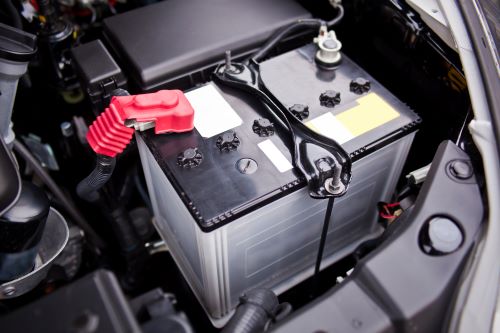
To maximize the lifespan of your car battery, regular maintenance is crucial. Schedule periodic inspections and maintenance checks to ensure your battery is in optimal condition. During these checks, examine the battery terminals for any signs of corrosion, which can hinder electrical flow. If you notice any buildup, gently use baking soda and water to clean the terminals. Additionally, ensure the terminals are tight and secure. If you spot any damage or leakage, addressing the issue promptly before it escalates is essential.
Power-Off All Electrical Components
When your car engine is not running, turning off all electrical components is important. Leaving lights, air conditioning, or the radio on while the engine is off can drain your battery. Even a small power draw over an extended period can weaken the battery or complete discharge. By making it a habit to power off all electrical components when they are not needed, you minimize the strain on your battery and preserve its charge for when you need it most.
Optimize Driving Habits
The way you drive can impact the health of your car battery. Short trips, especially those under 20 minutes, don’t allow your vehicle’s alternator enough time to recharge the battery fully. Whenever possible, try to combine multiple errands into one longer drive. This way, the alternator has more time to replenish the battery’s charge. Additionally, avoid unnecessary idling, as it strains the battery without providing substantial charging benefits. Optimizing your driving habits and opting for longer drives can ensure your battery remains charged and ready to go.
Clean Battery Terminals
Over time, battery terminals can accumulate corrosion, which hampers the proper flow of electricity. Regularly cleaning the terminals can help prevent this issue. Start by disconnecting the negative terminal and then the positive terminal. Mix a solution of baking soda and water and use a small brush or toothbrush to scrub away any corrosion. Afterward, rinse the terminals with clean water and dry them thoroughly. Finally, reconnect the positive terminal followed by the negative terminal. Keeping your battery terminals clean and corrosion-free improves electrical conductivity and enhances the overall performance of your battery.
Temperature Considerations
Extreme temperatures can significantly impact your car battery’s health and lifespan. High temperatures can cause the battery fluid to evaporate, leading to internal damage, while freezing temperatures can diminish the battery’s ability to provide adequate power. To mitigate these effects, park your vehicle in a garage or shaded area during hot weather. If you live in an area with harsh winters, consider insulating your battery with a battery blanket or foam insulation to shield it from freezing temperatures. Minimizing exposure to extreme temperatures can extend your battery’s life and reliability.
Battery Tenders and Maintainers
Investing in a battery tender or maintainer is highly beneficial for extended periods of inactivity, such as when you’re storing a vehicle or not using it frequently. These devices are designed to keep your battery charged during long periods of inactivity, preventing the natural discharge that occurs over time. Battery tenders and maintainers use a low-amperage charge to maintain the battery’s charge level without overcharging it. That helps prevent sulfation, a common cause of battery failure. Utilizing a battery tender or maintainer can ensure your battery remains healthy and ready to start your vehicle whenever needed.
Proper Storage
Proper vehicle storage is essential to preserve your car battery’s health. If you won’t be using your vehicle for an extended period, storing it in a dry and temperature-controlled environment is advisable. That can be a garage or a storage facility specifically designed for vehicle storage. Before storing, fully charge the battery and disconnect the negative terminal to prevent any phantom power drains. Alternatively, you can use a trickle charger to maintain the battery’s charge during storage. These precautions help avoid battery drain and keep your battery in good condition until you’re ready to use your vehicle again.
Upgrade to a High-Quality Battery
If your battery consistently fails to hold a charge or doesn’t meet your vehicle’s power demands, it might be time to consider upgrading to a higher-quality battery. High-quality batteries often have improved construction, materials, and performance characteristics. Consult a professional or your vehicle’s manual to determine your vehicle’s model’s right battery type and specifications. Upgrading to a battery that meets or exceeds your vehicle’s requirements can ensure reliable starting power and longer overall battery life.
Pro Tip to Extend Your Car Battery Life: Seek Professional Advice!
When it comes to maintaining your car battery, seeking professional advice is always a good idea. Our auto experts can provide expert guidance tailored to your specific vehicle and battery type. We’ll perform battery tests to assess its health, identify any underlying issues, and offer recommendations based on their findings. Contact us today to receive accurate information and can make informed decisions regarding your battery’s care and maintenance! Or visit our website for expert advice, quality vehicles, and exceptional automotive services.
Buying a Family Car: The Top 9 Features to Look for

Key Takeaways:
- Safety should be a top priority when choosing a family car.
- Consider the seating capacity and versatility of the vehicle to accommodate your family’s needs.
- Look for family-friendly features like ample cargo space, entertainment options, and easy-to-use technology.
- Fuel efficiency and reliability are essential for cost-effective and hassle-free family transportation.
- Test drive the car and assess its handling, comfort, and overall driving experience before making a decision.
Finding the perfect family car requires careful consideration of various factors. From safety features to seating capacity and practicality, several aspects must be evaluated. This article will explore the top nine features to look for when buying a family car. Whether you have a small or large family, these features will ensure that your chosen vehicle meets your family’s unique needs.
Discover the ideal family car that combines safety, comfort, and practicality at York Chrysler Dodge Jeep Ram– explore our wide range of family-friendly vehicles today!
Safety Features
In addition to standard safety features like airbags and ABS, look for advanced safety technologies such as forward collision warning, automatic emergency braking, adaptive cruise control, and pedestrian detection. These features can help prevent accidents and provide extra protection for your family. Consider the availability of features like lane departure warnings, blind-spot monitoring, and rearview cameras for enhanced visibility and awareness on the road.
Seating Capacity and Versatility
When evaluating the seating capacity, consider the number of seats and the configuration options- whether it can comfortably accommodate your entire family. Look for cars with versatile seating arrangements such as adjustable second-row seats, split-folding third-row seats, or sliding second-row seats for easier access to the back. This flexibility allows you to adapt the car’s interior to suit your family’s changing needs, whether it’s accommodating additional passengers or creating more cargo space. Essential Note: If you have young children, look for cars with easy-to-install and secure child seat anchors. Some vehicles also offer third-row seating options, which can be beneficial for larger families or when carpooling with other children.
Ample Cargo Space
Prioritize cargo space to ensure your family car can accommodate all the items you need to carry, from groceries and sports equipment to luggage and strollers. Consider features like a deep and wide trunk, cargo organizers, or a power liftgate for easier loading and unloading. To maximize the available space, you can also consider features like adjustable cargo floor height, underfloor storage compartments, or roof racks. Roof racks or tow hitch options can also be beneficial for carrying extra gear or attaching bike racks or cargo carriers. Moreover, consider whether the rear seats fold flat to create a larger cargo area when needed.
Family-Friendly Entertainment
To keep everyone entertained during long drives, consider entertainment features tailored to your family’s needs. Look for vehicles with rear-seat entertainment systems that include DVD or Blu-ray players, streaming capabilities, or even built-in gaming consoles. Some cars also offer Wi-Fi hotspot connectivity, allowing passengers to connect their devices and enjoy their favorite shows, movies, or games. Other vehicles also offer wireless headphones, USB ports, and power outlets to keep devices charged and everyone entertained during the ride.
User-Friendly Technology
Choose a family car with intuitive technology interfaces that are easy to navigate and control. Look for features like voice commands, smartphone integration (Apple CarPlay or Android Auto), and touchscreen displays with clear menus and responsive interfaces. Bluetooth connectivity for hands-free calling and audio streaming is also essential for convenience and safety, allowing you to stay connected while keeping your hands on the wheel.
Fuel Efficiency
While larger family cars may not achieve the same fuel efficiency as smaller vehicles, it’s still important to consider the car’s fuel economy. Look for models with fuel-efficient engines, hybrid options, or even electric vehicles if they suit your lifestyle. Choosing a more fuel-efficient family car can help you save on fuel costs and reduce your carbon footprint. Also, consider the EPA-estimated fuel economy ratings to determine the car’s efficiency and potential long-term savings.
Reliability
Reliability is a key factor when selecting a family car, as you want a vehicle that can handle the demands of daily family life. Research the reliability ratings and reviews for the specific make and model you’re interested in. Consider factors like the car’s track record, manufacturer warranty, and the availability of authorized service centers in your area to ensure you can easily maintain and repair your vehicle.
Safety for Child Passengers
If you have young children, prioritize features that enhance their safety and comfort. Look for cars with integrated child seats, latch systems for easy installation, and adjustable headrests and seat belts to accommodate their growth. Rear door child locks provide an extra level of security, preventing accidental door opening while the car is in motion. Rear-facing and convertible car seat compatibility are also crucial for accommodating infants and toddlers, while rearview cameras help in parking and maneuvering. Additionally, vehicles with adjustable rear air vents and window shades can help keep your children comfortable during the journey.
Test Drive and Comfort
During the test drive, pay attention to the vehicle’s overall comfort. Assess the quality of the front and rear rows’ seats, legroom, and headroom. Consider the ride quality and noise levels to ensure a smooth and comfortable driving experience, particularly for longer trips. Evaluate the effectiveness of the climate control system, including rear-seat climate vents or separate controls, to ensure everyone in the car stays comfortable in various weather conditions.
Buy the Perfect Family Car Today!
When buying a family car, it’s crucial to consider the safety, comfort, and practicality aspects that cater to your family’s needs. From advanced safety features to ample cargo space and family-friendly entertainment options, the right features can enhance your family’s driving experience. Remember to test drive multiple vehicles, compare options, and choose the best fit for your family’s needs and preferences. Visit York Chrysler Dodge Jeep Ram to explore our range of family-friendly vehicles and find the perfect fit for your family. Our knowledgeable team is ready to assist you in finding the ideal car for your family.
Car Repair Shop: What to Look for
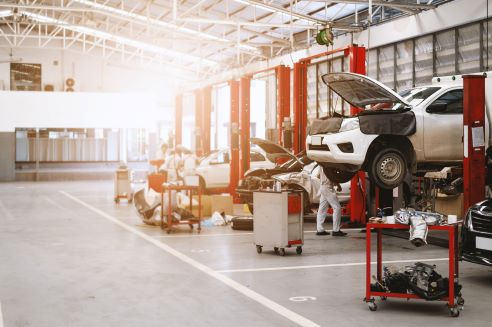
Buying a car might sound like a one-time expense, but there are several recurring costs associated with owning a car. Besides fuel, a car requires a trip to the repair shop frequently. Unfortunately, when your car needs repairs, it can be challenging to know where to take it. The good news is that there are a few things you can keep in mind that will help you make the best decision. As your local car repair shop, we’ll provide you with practical insights on what you should look for in a car repair shop and how to choose the right one for your vehicle. Keep reading to learn more! And call us if you have any questions!
Key Takeaways:
- It’s crucial to do your due diligence and go from shop to shop to see which car repair facility meets your needs.
- Paying attention to positive and negative reviews and looking for patterns in the feedback can help you find the right car repair shop.
- Recommendations from family, friends, and colleagues and online reviews are also excellent ways to find the right auto repair shop.
Recommendations
Auto repair shops can vary widely in quality, price, and customer service. As a result, it’s important to take your time to do your research, but the best way to find a trustworthy and reputable auto repair shop is to ask for referrals and recommendations from people you know. For instance, family members, friends and co-workers are all great sources of information when finding a reputable shop. Nonetheless, always ask the people you trust most and those willing to offer genuine help. If someone you know has had a good experience with a particular shop, then it’s likely that you’ll too.
Location of The Shop
It’s recommended that you look for a car repair shop near you. That allows you to monitor progress better. It’ll also be easier to take the vehicle back in case you experience technical issues after the repairs have been done. Moreover, did you know that the price of the service offered by a repair shop may change depending on its location? For instance, shops in posh neighborhoods will charge more compared to others. So, consider the locality before choosing an auto repair shop, which will help you avoid being caught off guard by the bill.
Car Repair Shop Specializations
If you want to go for a car repair, it’s necessary to find a car repair shop known for dealing in your car’s make. For example, if you own a Dodge, you need to find a shop known for offering proper auto services to your car’s brand. That’s because they’ll often have the most up-to-date equipment and trained professionals to fix your vehicle and get it back on the road.
Right Certifications
It’s essential to find out if the technicians at an auto shop really know what they are doing. Knowing that they’re highly trained and qualified to work on your car will give you peace of mind. Moreover, certification from a professional organization such as the National Institute for Automotive Service Excellence (ASE) shows that the mechanic has additional skills and knowledge in a particular area of auto repair. The good news is that when you take your vehicle to a licensed and certified mechanic, you can be confident that you will get quality service. Yet, the only way you recognize a shop with this designation is by having certified employees.
Look for Warranty
Does the shop have a warranty? Does it cover both parts and labor? Depending on where you live, maybe there are different guidelines or requirements about the minimum coverage an auto shop has to provide on their repairs. Try to see whether the shop stands behind its work with guarantees. Compare different shops, and inquire about their warranty for common repairs, such as brake work. Note that some places will have a very short warranty or have loopholes in their warranty offering. Therefore, the best car repair shop maintaining and repairing your vehicle should have at least a 3-year/ 36,000-mile warranty.
Online Reviews
Reputation is everything when it comes to businesses, and you want to make sure you’re taking your car to a shop that has a good one. Online reviews can offer you an idea about repair shops you aren’t familiar with. Also, you’ll get to see the services offered and some testimonials from customers. Similarly, check out what people are saying on Google, Facebook or other social media sites and take time to read the reviews- this will help you avoid bad experiences and find a shop you can trust.
Pricing
Before you take your vehicle to a car repair shop, ensure you have an estimate of the price range in your locality. But remember that the price might vary based on the popularity and the level of services offered by a repair shop. Despite this, don’t let prices dictate which shop you should go to. In fact, it’s always a good idea to look at labor rates, testing and diagnostic work fees, and guarantees to find out which shop offers the best service for the price you can afford.
Find the Best Car Repair Shop in Prescott
If you’re looking for a team of car experts who’ll offer top-quality service, look no further than York Dodge Chrysler Jeep Ram in Prescott, AZ. We’re committed to providing our clients with the best service and repairs. We pride ourselves on using the latest technology and innovative tools to be as quick in our service and repairs as possible without compromising quality and accuracy. Our certified technicians are experienced car repair pros who are committed to getting you back on the road with as little downtime as possible. Call us to schedule your appointment today!
What You Should Know About Car Service
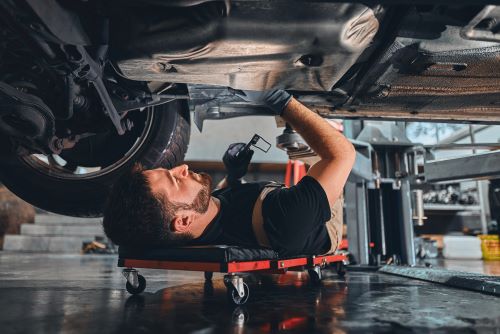
Buying your dream car and maintaining it are two completely different things. While buying a car can give you the pleasure of life, maintaining it can take out some of the joy, especially if you don’t know what you’re doing or what to expect. Unfortunately, failure to maintain or service your car can seriously damage it leading to huge losses. As such, you should be more vigilant when it comes to car service in order to avoid such circumstances. That’s why we’ve put together this guide so you can avoid preventable car issues. Keep reading to learn more about car service.
Key Takeaways:
- Regular car servicing can help prevent significant issues from happening in the first place.
- A tiny, seemingly insignificant leak in the radiator can slowly grow into an irreparable crack, forcing you to buy a new one, which’d have been avoided by servicing your car.
- A car service can ensure you maintain a healthy engine, enhance your safety on the road, lower your running cost, and retain your car value.
Why Is Car Service Important?
When your vehicle is overdue for a service, but you’re too busy or short on cash, you may be tempted to let the car run for a few more hundred miles before bringing it in the dealership shop. However, getting your car serviced as scheduled should be in your best interest. Here’s why:
Maintain a Healthy Engine
Regular car services entail oil changes and filter replacements, which can help ensure that your engine is working at its best. If you skip car service, your car’s engine will wear down, leading to decreased fuel efficiency and more trips to the repair shop. Besides, if the engine isn’t properly maintained. It can result in decreased performance. Keep in mind that repairing your engine is very costly, so investing in regular car service is worth it. Regular servicing will keep everything running smoothly and prevent major issues from developing.
Ensures Safety
Servicing ensures that your car is safe to drive. For instance, during the oil change, the mechanic will perform a routine check to ensure there are no underlying issues that could arise when you’re driving. That can include the brakes, filters and air pressure in the tires. If they discover an issue, you’ll be glad you took your car in for servicing rather than continuing to drive a potentially dangerous vehicle.
Lower Your Running Costs
Diagnosing and rectifying an issue on time can save you time, money, and, most importantly, stress. In addition, getting your car serviced means you won’t be running on low fuel, on tires with little or no treading, and with no coolant, things that can increase the amount of money you put into your car over time.
Maintain Your Car Value
There’s a noticeable difference between a well-maintained vehicle and one that appears neglected. If you plan on reselling your car or using its trade-in value to buy a new car, how well you’ve taken care of it will be factored in in its value. If you’ve cared for your car, it’ll have a higher market value, and you’ll get a better trade-in value.
Air and Cabin Filters Should Be Serviced- Replaced!
Air and cabin filters are two filters that you shouldn’t ignore since they protect the engine and affect the quality of air in your car. The engine air filter keeps debris, dirt, and other contaminants from getting. That also entails dust and other particles from the cabin into the engine. A clogged filter can make the engine work harder to push air through, affecting performance and fuel efficiency, and hence require replacement. To inspect the engine filter, raise it toward a source of light. The general rule is that if you can’t see any light pass through, it’s time to replace the engine air filter.
On the other hand, the cabin filter prevents pollutants that might flow through the car’s HVAC system. It prevents dust, pollen, smog, and mold spores from contaminating the air inside. Although the cabin filter is often easy to access, the air filter can vary, depending on the make and model of your car. Car makers might recommend maintenance timeframes based on mileage in the manual. But if there is no such guidance, you can use your eyes and smell sense to know when to replace the cabin filter. For example, an odd or musty odor in the cabin, particularly when the AC or heat is on, could mean the filter is in bad shape.
Understand Your Service Reminder- The Dashboard Warning Lights
Since many drivers don’t read the owner’s manual, automakers have devised car service reminders in the form of warning lights or indicator lights that appear on the dashboard or gauge cluster. Typically, the light will come on before the car service is actually required to give you time to schedule an appointment.
Moreover, there are two types of systems:
- Set Mileage System: With this system, the warning lights will come on every time you have driven a set number of miles and a car component, for instance, oil, needs changing. This can vary depending on the car maker, but it’s often approximately after every 5,000 miles.
- Sensor System: This is an onboard computer that analyzes how the car is being driven, and the light comes on when that component requires changing.
Schedule Your Car Service With Us!
When it comes to your car service, you need someone who knows what they’re doing- someone you can trust. York Dodge Chrysler Jeep Ram is a service-oriented dealership offering the very best automotive care and maintenance. We pride ourselves on having an experienced team of certified auto technicians ready to offer expert knowledge and workmanship. As such, you’ll return to the road sooner and with the peace of mind that your car is well-serviced and taken care of. We’ve got everything covered. Call us to schedule a service today!
5 Ways to Trade In Your Car Smoothly

Are you considering buying a newer car? Maybe your current vehicle is getting a little too old, and you need to upgrade it with more technology and features. Or maybe you have a growing family and want a car with more room. Either way, trading in your car can be an ideal solution. You don’t have to hassle selling the car yourself, and you’ll be able to apply the car trade in value to your new ride, lowering the amount you need to finance. Keep reading to learn how you can trade in your car smoothly.
Key Takeaways:
- Trading in your car will have you driving out of the dealership lot in a different vehicle easily.
- Your trade in value is typically based on your car’s condition as well as the demand for your car’s make and model in the market.
- It pays to check out multiple dealerships and see what they’ll offer as your car trade in value.
- Fixing some minor issues before trading your can in can raise its trade in value.
Get Your Car’s Trade In Value Estimates
To determine if you’re being offered a reasonable price on your trade in car at the dealership, you should first know what your car is worth. You can use Kelley Blue Book or Edmunds car appraisal tool and follow the steps to enter your car’s details. It’s vital to accurately take stock of all the vehicle’s options and be honest about the condition. Note that a very small percentage of cars are indeed in “outstanding” condition. Many cars that are well maintained are deemed to be in a “clean” condition. When in doubt about your car’s condition level, it’s best to err on the side of caution.
Prepare Your Car
Just like buying a car, trading in takes some planning. You need to prepare your vehicle to maximize its trade in value:
- Boost the Curb Appeal: You need to make a good first impression when trading in your car. So, it’s crucial to prepare and improve the car’s curb appeal- a clean car is better than a dirty one. Having no trash, dirt and debris in the car is beneficial to you. Before trading in the car, ensure that you tidy the interior, run the vacuum and have a quick wash.
- Make Repairs: If your car has minor dents, scratches, cosmetic flaws, or paint discoloration, it’s wise to take care of them- that can increase your trade in value. But if you don’t make repairs, you need to be upfront about your vehicle’s condition. Hiding these flaws might backfire and result in a lower trade in value.
Note that if your car has customized aftermarket parts, you’ll need to decide whether to keep them or remove them. That’s because sometimes these enhancements may lower your car trade in value. Consult an auto expert near you about the aftermarket parts.
Have Your Paperwork In Order
While you don’t have to refurbish your vehicle to trade it in, it’ll be worth more if you can prove that you’ve kept up with preventative maintenance regimes. You should have your service records in one place as well as copies of the receipts to prove that you’ve been taking care of the car. It’s also wise to provide receipts of things like brakes and tires so you can show if you’ve replaced them recently. All these can boost the amount you get as your trade in offer.
Note: If your car was in an accident, be prepared to provide paperwork showing repairs that were performed. The dealership might not ask for the paperwork, but being prepared can land you a better deal.
Shop Around for Trade In Quotes and Negotiate
Trade in offers can vary based on what the dealership has in its inventory, your car’s condition, and how well the dealer feels the car will sell. So, you need to get as many competitive quotes for your trade in as possible. You can then use those figures, along with other research you’ve done on pricing, to estimate your car’s baseline value. Also, don’t shy away from negotiating- and when you do, ensure you negotiate your trade in and purchase separately to get the best trade in value possible. Moreover, it’s wise to get the trade in value offer in writing. That protects you from the dealership changing or going back on its offer for any reason. The formal offer is particularly vital if you leave the dealership to shop around and then later return to the same dealer.
Time Your Trade In
Trading in your car might work better some times of the year than others. That can depend on the year, model and make of your car. Weather conditions and other aspects could also play a role in the offer you receive. For instance, all-wheel drive SUVs can be in high demand during winter and right before the spring college semester. The first two quarters of the year could also be an excellent time to trade in your car since buyer demand tends to be higher. Dealerships need more cars available on their lots to meet the demand and hence might offer a higher price for your trade in.
Want to Trade In Your Car? Consult the Experts!
If you’re considering to trade in your car, it’s paramount to understand the process. York Chrysler Dodge Jeep Ram, we want to ensure that the experience is as smooth, seamless, and stress-free for you as possible. We’ve put together the above handy guide on ways to trade in your car smoothly. For more information, or when you’re ready to take the next step to trade in your car, visit our dealership or call us today!
Buying a car is a huge decision. It’s crucial to do research and find a dealership you can trust. Dodge dealerships are known to be an ideal combination of convenience and quality, making them an excellent place to start your search for your next car. Thousands of drivers go car shopping every year, trusting dealerships to help them find a car that’ll make their lives better. But why should you buy from York Dodge Chrysler Jeep Ram? We have an array of cars, and our highly experienced pros are ready to help you make an informed decision when buying your next car. Keep reading to learn more!
Key Takeaways:
- Dodge dealerships are known to offer a wide array of cars to choose from. You’ll always find the ideal car for your needs on their lot.
- You’ll get excellent financing options at a Dodge dealership- whether you’re considering leasing or financing the new car, you’ll get the best deal possible.
- Dodge dealerships are known to offer excellent deals (are willing to negotiate) and even accept trade-ins.
- In a Dodge dealership, car buyers are encouraged to take cars they’re interested in for a spin.
- Dodge dealership pros are knowledgeable and friendly- they’ll answer all questions you have about the cars on their lot.
A Wide Range of Cars
If you’re considering buying a dependable, style car, York Dodge Chrysler Jeep Ram is the ideal spot for your search. Whether you’re looking for an efficient daily ride or something ready to go for an adventure, Dodge allows you to find it. Dodge Jeeps look great and are designed with both comfort and performance in mind. So, to find a safe, affordable, and reliable vehicle with plenty of features and styles, check out what the nearest Dodge dealership has to offer.
Excellent Offers
Shopping for your next vehicle at a Dodge dealership is an excellent way to land a good deal. Often, many buyers forget to negotiate and miss the opportunity to get a much better purchase than they originally had planned. Rather than paying the full price, you should consider negotiating to lower the cost of your new ride. Many Dodge dealerships are known for their willingness to negotiate, and hence it’s crucial to take advantage of that so as to ensure you get the most bang for your buck.
Trade-In at the Dodge Dealership
If you’re considering upgrading your current car, our Dodge dealership has you covered. We welcome trade-ins, and you can rest assured you won’t be stuck with your old car. And while trade-in values vary based on the make, model, and condition of your car, you can be sure you’ll get an excellent trade-in value offer.
Knowledgeable and Experienced Pros
At our dealership, you can rest assured that you’ll be in good hands. Our pros are vastly knowledgeable about the cars we sell, so you can feel confident that you’re receiving quality information and advice. Besides being professionals and knowledgeable, our pros strive to make the car-buying process easier and more fun. And whether you’re buying your first Dodge or adding to your existing collection, you’ll have peace of mind knowing there’s a supportive Dodge-specialized team ready to help you close the deal.
Dodge Dealership Encourages Test Drives
Finding the ideal car is no small feat, and Dodge dealerships understand that test drives are a crucial part of finding and securing your next dream car. Car buyers are encouraged to take cars they’re interested in for a spin. Test drives are one of the best ways to make sure you feel comfortable and content with the purchase you make. Besides, our dealership knows that you have options when it comes to picking the best Dodge model to suit your lifestyle, and don’t want to be stressed or overwhelmed. And we understand that nothing beats being able to experience first-hand behind the wheel, which is why we offer test drives as a source of empowerment and satisfaction that each client should take advantage of.
Financing Options
What’s the next step after finding a car you love? You’ll talk to the finance team at York Dodge Chrysler Jeep Ram. Our experts have years of experience working with different drivers with diverse backgrounds. We’ll discuss the car you’re interested in, and the resources you have at your disposal, and will advocate on your behalf to secure the best deal possible from our network of lenders- we usually partner with banks and lenders to make financing easier.
Moreover, many Dodge dealerships offer financing options with reasonable interest rates, generous warranties, and even tailored financing plans to suit your budget and lifestyle.
Why Buy Your Next Car From a Dodge Dealership?
There are several aspects to consider when you’re in the market for a new car. But if you’re looking for a wide selection, experienced pros, and the potential to get an excellent deal, then a Dodge dealership is your place to go. And with innumerable benefits, it’s not surprising that many drivers are opting to buy their cars from Dodge dealerships. Visit our Dodge dealership today to check out our wide array of new and pre-owned cars. Besides, we offer competitive financing rates and even accept trade-ins. Call us today!
7 Tips to Improve Your Car’s Fuel Economy

Currently, owning a car is more of a need than a luxury. But besides maintenance costs, one issue affecting most car owners is the shifting gasoline prices. And while you may have little influence over the cost of gasoline, making use of every drop of fuel can enhance efficiency and help you save money. You can improve your car’s fuel economy by driving more effectively and making some changes to your driving habits. Keep reading to learn more about how you can enhance your vehicle’s fuel economy.
Key Takeaways:
- Most of us drive regularly, and car fuel and maintenance costs often take a big bite out of our budgets.
- There are ways to improve your gas efficiency, maximize your car’s fuel economy, and lower your driving costs.
- Keeping up with routine maintenance, limiting idling, and getting rid of extra weight are some of the ways you can boost your car’s fuel economy.
Go Easy on the Pedal
You may have a strong desire for speed, but pushing the motor to achieve higher capability for higher speed output isn’t the most fuel-efficient driving habit. Yes, it can give speed to your automobile, generating a 0-100 KPH time in under 5 – 6 seconds. However, it’ll consume more gas. That’s because faster speeds produce more drags, which equals more fuel being burned off. On the other hand, driving sensibly, and not like a race car driver, can result in an equivalent gas savings of between 31 cents and $1.24 per gallon.
Limit Idling
When you’ve parked your car and the engine is on and idling, the fuel consumption is about 0 miles per gallon. As such, if you want to maximize your car’s fuel economy, you should turn off your engine when waiting for your friend outside their house or when getting a burger from the drive-thru. In fact, you may have noticed that most modern-model cars feature the stop-start system. That allows vehicles to conserve fuel by automatically shutting down the engine when the car comes to a stop. The engine then restarts automatically when the brake is released. Surprisingly, idling uses more fuel than restarting the car and gives off 80% more pollution than when the car is in motion.
Get Rid of Excess Weight
Did you know that an additional 100 pounds in your car will lower your gas mileage by up to 1%? In fact, for every additional 100 pounds in extra weight, you should plan on spending up to 3 cents more per gallon! So, do whatever you can to make your car lighter and save more money. For instance, emptying the boot and backseat can lower your car’s weight. Similarly, while adding extra body fabrication, such as roof racks or other upgrades can enhance your ride’s appearance, it can cause your car to drag more. Increased drag takes more engine power, which means more fuel consumption.
Keep Up with Routine Car Maintenance
A car that’s regularly inspected or evaluated by a professional uses less fuel than one that’s not regularly checked. That’s because filthy spark plugs, air filters, and connections affect your fuel economy. But when you follow the maintenance routine in the owner’s manual or as recommended by the dealership, your car will be more efficient and produce fewer gas emissions. So, schedule regular tune-ups with your dealership to replace air filters, motor oil, and check tire rotations.
Change Your Engine Oil
As your car oil deteriorates from everyday use, it can form sludge, causing drag and lowering fuel economy. So, changing your engine oil and filter at or before the manufacturer’s suggested intervals will help you save money on gas. Moreover, fuel injectors could also get clogged due to poor fuel quality, resulting in incorrect fuel-to-air ratio entering the motor. Hence, you should schedule an appointment with your local dealership to perform fuel injection flush service and get your oil changed.
Proper Use of Air Conditioner
Vehicle air conditioning units have become highly efficient over the years. And while you could be torn between turning on the AC or opening the windows, minimizing the use of an air conditioner will save you gasoline. Besides, you can minimize the use of your AC in the following ways:
- Use a windscreen cover while parked
- Park your vehicle in the shade to keep the cabin cooler
- Open the windows first to enable hot air to escape before switching of the AC
- Increase your automatic climate control temperature
- Switch off the air conditioner once the cabin temperature reaches optimum levels
Maintain Proper Tire Inflation
Your car tires’ condition is one of the most crucial aspects when it comes to fuel economy. A little bit of car tire maintenance can go a long way in improving gas mileage. Unfortunately, many drivers ignore this. But did you know that according to the U.S. Department of Energy, 1.25 billion gallons of gasoline are wasted every year on underinflated tires. Tires can lose about 2 pounds per square inch per month, and each tire that’s underinflated by 10 per square inch reduces fuel economy by approximately 3.3%. Consequently, four tires underinflated by 10 psi, will lower your car’s fuel economy by 10%, at an added cost of 31 cents per gallon. So, to improve your vehicle’s fuel efficiency, follow the guidelines on the owner’s manual or the sticker inside the driver’s side door jamb to inflate your tires to the recommended pressure levels.
Improve Your Car’s Fuel Economy!
Changing your driving habits and maintaining your car in good shape can make a huge difference in maximizing your fuel efficiency. Use the above mentioned tips to lower fuel use and fuel expenses. For more information on ways to improve your car’s fuel economy, consult our auto professionals. We’re highly trained and vastly experienced and will guide you on the best ways to maximize your fuel economy. Call us today for all your car needs!
The Test Drive: Everything You Need to Know

You’re in the market for a new ride. You’ve already decided the size you want, which will fit your family and lifestyle. You’ve also identified a few models from different brands that interest you. What’s next? The test drive! A test drive is your opportunity to see how a car performs in different situations and if it lives up to your expectations. Its main objective is to test out the steering, acceleration, infotainment, seating, and more. Keep reading to learn more about test drives!
Key Takeaways:
- Taking a test drive is essential to the buying process when you shop for a car.
- Inspect the car’s exterior for any color discolorations, dents, or anything that might be hanging underneath.
- Listen out for any noises during the test drive- that includes ticking, banging, or anything else that doesn’t sound like it’s within the norms.
- If you don’t feel at ease and comfortable during the test drive, you probably won’t feel at ease and comfortable in the car every day.
Tips for Test Driving
Here are a few tips to consider when taking a test drive:
Look at the Exterior
The test drive doesn’t start when you get behind the wheel, it begins while you’re looking at the car from the outside. First, you should check out the exterior color- the vehicle’s exact color could be altered on a computer or a phone screen, so be sure to inspect the paint and make sure you still like it. Also, take note of the car’s size- that’s important if it has to fit in a garage or a small parking lot. Finally, inspect the wheels and tires for tread wear or imperfections.
Look at the Interiors
Before getting behind the wheel, check out the vehicle’s interiors. Assess the trunk and ensure it can take on anything you need to fit. Also, check the back seats to ensure there’s enough space for adult passengers or children’s car seats.
Get In and Get Comfortable
When you get in the car, before turning the key, take some time to get comfortable. You may want to get in and out of the vehicle to ensure that the seats aren’t back-breaking. Also, ensure that you adjust the mirror, move the seat to a comfortable position, and look over your left shoulder to check out the blind spots. Moreover, if there’s an infotainment system, consider playing with the controls and adjusting the radio. It’s also recommended that you let the air conditioner run for a while since it can be an issue, especially for used cars, and regardless of what everybody tells, isn’t an easy fix.
Hit the Road
After taking a thorough look at the car and getting comfortable, it’s time to take the test drive. The main aim is to ensure that the car can stand up to your everyday drives. The ideal way to do that is to take the test drive in your normal driving conditions. For example, if your daily commute is mostly in stop-and-go traffic, try taking the test drive in a place with some stoplights.
When you take a test drive, you also want to look for and do specific things to ensure it’s the car for you.
- Ignition: Does the car start smoothly? How does the engine sound? Do you hear any concerning noises when shifting gears? And are there any warning lights on?
- Acceleration and Handling: Does the vehicle speed up and shift smoothly? Does it feel responsive? Or does the steering wheel shake or vibrate at all?
- Braking: Does the vehicle respond immediately when braking? Do you notice any noises or squeaking? Also, how does the pedal feel under your foot when you hit the brakes?
Try Parking the Car
It’s essential to practice parking a few times to see if it’s easy to get in and out of spaces as well as parallel parking. Test driving is also an excellent time to test out the vehicle’s safety features to see if they’re functioning correctly. For instance, if you’re test-driving a car with a reversing camera, a parking test is a good way to test it out.
How to Get the Most Out of a Test Drive
Here’s how you can get the most out of a test drive:
Do Your Research
Understanding what you’re looking for by picking a few cars of interest and learning about the car’s history report helps you narrow down your car search and prevents the need to test drive any car that you’d not be interested in. Are excellent mileage and heated seats a must-have? Narrow those choices and aspects down before you head to the dealer.
Set an Appointment Earlier
You can come in and test drive during the dealer’s open hours, but that can mean more time searching and less time driving. Setting up a drive test appointment ensures the dealer can get the cars cleaned and ready to drive so there’s no waiting or looking for the vehicle.
Ask Questions
It’s essential to ensure that you get all the information you need. As such, don’t be afraid to ask questions during the test drive. Some of the questions you can ask yourself during the drive include:
- Does the car have everything I need?
- Will I need this much or more space?
- Is this something my family will enjoy?
Asking yourself these questions and getting all the information will not only make the test driving and car buying process go smoothly, but it also gives you peace of mind about the big purchase you’re making.
Want to Learn More? Consult the Experts!
Your new car is an extension of you. So, take time to do an extensive drive and really see how you like it. Moreover, when you test drive a car, it’s your chance to gather data so you can make an informed buying decision. If you’d like to learn more about test drives and the overall car-buying process, consult our auto experts! We’re readily available and willing to help you with all your car needs! Call us today!
7 Mistakes to Avoid When Buying a Used Car
With new car purchase prices increasing with the rising economy, a used car can offer an excellent alternative if you know how to shop for one. That’s because while it provides an opportunity to live more economically, a used car, by definition, has issues from regular wear and tear. But you can get the most bang for your buck- just avoid the following mistakes when buying a used car.
Key Takeaways:
- Buying a used car can be one of the smartest buying decisions if you know how to shop for one.
- You should line up financing before you go car hunting.
- Always test drive the car before taking it home.
- Having the vehicle checked by a certified, independent mechanic is a step that should never be skipped.
- If you don’t like the auto deal, there’s nothing wrong with walking away.
Failure to Line Up Financing Before Shopping
Before buying a used car, whether through a dealership or from a private owner on a website, you should figure out how you’ll pay for it. Not everyone can fully lay down the cash for a vehicle- even for a used car. As such, you have to consider financing. Financing allows you to understand the upper limit of your price range, which makes negotiating prices easier.
One key thing to note is that used car financing rates are typically higher than those for new vehicles. That’s because if you default on your loan and the auto lender has to repossess the vehicle; they can get a better resale value on a new car than they can on a used car.
Shopping Based on Monthly Payments
When people are looking for car financing, they often consider the monthly payments they’ll have to make. And while a lower monthly payment is good for your budget, a more extended payment period means you end up paying more in the long run. Due to compounding interest, it might make more sense for you to take on a higher monthly payment since it’s possible to pay back the principal within a shorter period.
Buying Based on Looks
Buying a used car based on looks alone is a huge mistake. It’s wise to consider why you need a car before buying one. That will help you buy a car that suits your purpose, needs, and preferences. Also, consider what you truly require out of a car- do you travel long distances and want good mileage? Is it necessary to have a large trunk space? Or do you need a lot of interior space for your big family? Make a list of priorities dictated by your lifestyle and buy a car based on them.
Skipping the Test Drive
Did you know that first-time buyers of new cars test drive as many as seven new cars before making the purchase? On the other hand, as many as 18% of buyers of used cars don’t test drive the car before making the purchase. This disparity in statistics could be the reason there are several third- and fourth-owner used cars on the roads. Unfortunately, when you forego to test drive the car before purchasing, you risk buying a car that’s not running properly and experiencing buyer’s remorse in the long run.
Foregoing the Vehicle History Report
Whether buying your car from a licensed used-car dealer or a private party, getting a vehicle history report is a vital step in the car-buying process. A vehicle history report includes detailed information, such as where the car came from and whether it has been involved in an accident, stolen, or has outstanding finance. The report also provides insight into the vehicle’s service history, mileage, and other attributes. Keep in mind that these reports contain only information that was reported and sometimes don’t cover everything. So, always have an independent mechanic perform a thorough inspection to verify the report.
Not Having the Car Inspected
When buying a used car, its condition is everything. Even the most reliable car might turn into a lemon if it has costly issues sometime down the line. So, before buying a used car, have it scrutinized by an independent mechanic that does routine diagnostic work. A skilled mechanic should be able to tell you if the vehicle has been in a major accident or has a hidden but costly problem. Ask for a written report detailing the vehicle’s condition, noting any issues found and what it’d cost to repair them. You can use the report to negotiate with the seller to adjust the price accordingly.
Mixing Your Emotions and Your Money
Every buying decision human beings make is an emotional one, whether we realize it or not. But a car is probably the second most expensive purchase you’ll make in your lifetime; so that emotional decision could cost you money. So, never buy a car impulsively or on the same day you test drive it. Instead, give yourself a few days to mule over it.
Moreover, it’s easy to get stubborn about the time you’ve spent getting the right price for the right used car. Sometimes, you might think you’ve already spent too much time on the process and simply want to get it done. So, instead of walking away, you’ll accept terms you didn’t want and ultimately resent the purchase and the process.
Need Help Buying a Used Car? Contact the Experts!
A lot goes into buying a used car, and it’s easy to get overwhelmed. Preparation and research should be your friends. Don’t visit the dealership without securing financing, knowing the amount you want to pay, and having a list of must-have features. Overall, keep in mind that there’s more to a car than its monthly payments. For more information about car buying or to check out our vast array of used cars for sale, contact us today!
Are Small Cars Safe? Facts About Car Safety


When car shoppers come to our dealership they ask, “Are small cars safe?” The short answer we give is yes! Smaller vehicles are often preferred by drivers who want better fuel efficiency and a more maneuverable ride. But many people worry that they’re not as safe as larger, heavier models.
Here are the facts about car safety you should know:
Bigger Cars Are Safer Than Smaller Ones
Despite their smaller size, small cars can still be just as safe as larger ones if they have the right safety features installed. However, because of their lightweight and small size, small cars are more susceptible to rollovers during accidents. Bigger, modern cars are safer in frontal crashes thanks to their bigger crumple zones and longer hoods.
Older (Bigger) Cars are Not Safer Than Newer (Smaller) Cars
A big car that was built 10 years ago may lack features like airbags, anti-lock brakes, and electronic stability control. In contrast, today’s small cars are packed with the latest safety tech such as forward collision warning systems, backup cameras, and blind spot detection. For this reason, modern small cars are a safer option.
Crash Test Score Don’t Compare Across Size Classes
It’s important to note that all car size classes are not created equal. In other words, the results of a small car crash test may not be directly comparable to a larger vehicle of the same class. Therefore, don’t take crash test scores at face value—always do your own research before purchasing any vehicle.
All Vehicles Have Benefitted From Safety Advances
Over the years, many of these safety features have trickled down from luxury brands to affordable models. For example, the Insurance Institute for Highway Safety (IIHS) first crash-tested minivans and SUVs in the 1990s and then evaluated passenger cars beginning in 1995. As a result, small cars now include similar technologies as larger vehicles. According to 2015 IIHS data, death per million registered vehicles, smaller cars had the lowest death rate of any category at 57%.
Why Buy a Small Car?
If you’re looking to downsize and buy a smaller and more compact car, there are several reasons why these vehicles may be a good choice for you. Smaller cars are often cheaper, more fuel efficient, and easier to maneuver in busy cities. Additionally, some smaller cars are just as safe or even safer than larger vehicles when it comes to crash test results.
Need Help Buying a Small Car? York Dodge Chrysler Jeep Ram Will Help!
If you’re interested in buying a small car, but aren’t sure where to start, reach out to York Dodge Chrysler Jeep Ram. We’ll offer test drives and comparison tools to help you learn more about the different models available and the options at your disposal. Contact us today to learn more.
Connect with us

