






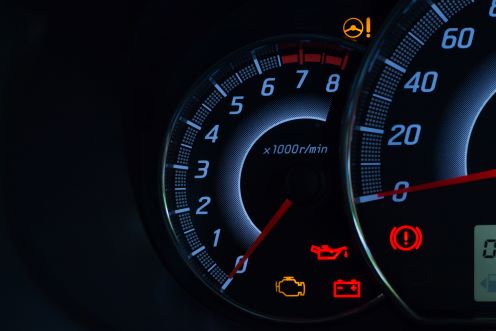
As a car owner, you share a silent conversation with your vehicle every time you take the driver’s seat. The dashboard, adorned with an array of warning lights and symbols, communicates the health and well-being of your beloved automobile. Yet, in the hustle of daily life, it’s easy to overlook these signals. In this guide, we unveil the mysteries behind the dashboard warning signs that demand your attention. Ignoring them could not only jeopardize your safety but also lead to hefty repair bills.
Don’t let dashboard warnings become a mystery. Visit York CDJR for expert diagnosis and maintenance. Your car’s health is our priority. Discover more at our website.
Why Ignoring Dashboard Warning Signs is a Costly Gamble
1. Early Detection Saves Money
Dashboard warnings aren’t just random lights; they are your car’s way of alerting you to potential issues. Addressing these warnings promptly can prevent minor problems from escalating into costly repairs. A stitch in time truly saves nine when it comes to your vehicle’s health and your wallet.
2. Safety First
Many dashboard warnings are linked to safety features in your vehicle. Ignoring them could compromise your safety on the road. From ABS warnings to airbag indicators, each signal demands attention to ensure your car provides a secure environment for you and your passengers.
3. Understanding Your Vehicle
Dashboard warnings serve as a diagnostic tool, offering insights into your car’s health and performance. Understanding these warnings empowers you to make informed decisions about maintenance and repairs. It’s an essential aspect of being a responsible and proactive car owner.
4. Proactive Maintenance
Regularly checking and addressing dashboard warnings goes beyond reactive measures. It establishes a culture of proactive maintenance, enhancing your vehicle’s overall longevity. Preventive actions based on these warnings contribute to a smoother and more reliable driving experience.
9 Dashboard Warning Signs You Should Never Ignore
Your car’s dashboard is like a communication hub, using warning lights to convey crucial information about your vehicle’s health. Ignoring these warning signs can lead to serious issues and compromise your safety on the road. Here are nine dashboard warning signs that demand your immediate attention:
1. Check Engine Light
The check engine light is a universal symbol that something is amiss under the hood. It could indicate issues with the engine, exhaust system, or emissions. Ignoring it may lead to decreased fuel efficiency and engine damage.
2. Brake System Warning Light
This light suggests problems with your brake system, ranging from low brake fluid to issues with the anti-lock braking system (ABS). Addressing brake warnings promptly is crucial for your safety and the overall performance of your vehicle.
3. Battery Warning Light
This light signals potential issues with your car’s charging system or battery. Ignoring it may result in a dead battery and an unexpected breakdown. Prompt attention to battery warnings ensures reliable starting power.
4. Oil Pressure Warning Light
Low oil pressure can lead to severe engine damage. The oil pressure warning light indicates a drop in oil pressure, demanding immediate action. Ignoring it may result in engine failure and expensive repairs.
5. Coolant Temperature Warning Light
Overheating is a serious issue that can cause engine damage. The coolant temperature warning light alerts you to high engine temperatures. Ignoring it may lead to a breakdown and costly repairs.
6. ABS Warning Light
The Anti-lock Braking System (ABS) warning light indicates a malfunction in this crucial safety system. Ignoring ABS warnings can compromise your ability to brake safely, especially in emergency situations.
7. Airbag Warning Light
The airbag warning light signals a problem with the airbag system. Ignoring this warning may mean your airbags won’t deploy in a collision, increasing the risk of injury.
8. Transmission Temperature Warning Light
This warning light indicates high transmission fluid temperatures. Ignoring it can lead to transmission failure and expensive repairs. Addressing this issue promptly is essential for the longevity of your transmission.
9. Tire Pressure Monitoring System (TPMS) Light
The TPMS light indicates low tire pressure, affecting vehicle handling and fuel efficiency. Ignoring it may lead to uneven tire wear and, in extreme cases, tire blowouts.
Safeguard Your Drive with York CDJR
In conclusion, your car’s dashboard warnings are not to be ignored. They are your vehicle’s way of communicating its needs and ensuring your safety. Ignoring these signals can lead to more significant issues and compromise the performance of your car. York CDJR invites you to prioritize your car’s health. Visit our dealership for expert advice and reliable service. Don’t let dashboard warnings be a mystery—address them confidently and keep your drive smooth and safe.
The 9 Key Benefits of Regular Car Service

Key Takeaways:
- Regular car service enhances vehicle reliability, ensuring optimal performance on the road.
- Proactive maintenance reduces the risk of breakdowns and costly repairs, saving time and money.
- Improved fuel efficiency is a direct result of well-maintained components and systems.
- Car service extends the lifespan of your vehicle, preserving its value over time.
- Comprehensive inspections during service appointments identify potential issues before they escalate.
- Ensuring safety on the road, regular service addresses brake issues, tire wear, and other critical components.
- Manufacturer-recommended service schedules maintain warranty validity and adherence to industry standards.
- A well-maintained car contributes to a smoother driving experience, reducing stress for the owner.
As a car owner, the bond with your vehicle is more than just a practical connection; it’s a partnership built on trust and reliance. Every turn of the key symbolizes a journey, and the last thing any driver wants is an unexpected roadblock. The secret to unlocking the road to reliability lies in a simple yet powerful concept: regular car service. Beyond the routine oil change, a comprehensive car service is the key to ensuring your vehicle performs optimally and remains a reliable companion on every adventure. Let’s delve into the essential benefits that regular car service brings to the table and why it’s a non-negotiable aspect of responsible car ownership.
Ensure your vehicle’s reliability with regular service. Visit our car dealership for expert maintenance. Your journey deserves a trustworthy companion!
The Key Benefits of Regular Car Service
1. Enhancing Vehicle Reliability
Regular car service acts as a guardian of your vehicle’s reliability. It goes beyond the surface, delving into the intricate components and systems that ensure your car operates at its best. Each aspect, from engine performance to brake efficiency, is meticulously inspected and addressed during a service appointment. This proactive approach mitigates the risk of unexpected breakdowns, providing you with the peace of mind that your vehicle is ready for any journey, short or long.
2. Reducing the Risk of Breakdowns and Costly Repairs
The road can be unpredictable, but regular car service transforms the unexpected into the manageable. Service appointments significantly reduce the risk of breakdowns by identifying and addressing potential issues before they escalate. Imagine the inconvenience and potential expenses of being stranded on the roadside due to a preventable issue. Regular service is not just a financial investment; it’s a strategic move that saves you time and money in the long run.
3. Improved Fuel Efficiency
Every car owner appreciates the value of a fuel-efficient vehicle. Regular car service plays a crucial role in maintaining optimal fuel efficiency. Well-maintained components and systems, from the engine to the exhaust, contribute to a smooth and efficient operation. Clogged filters, inefficient spark plugs, or a misaligned engine can significantly impact fuel consumption. A comprehensive service ensures that these elements are regularly inspected, cleaned, or replaced, maximizing your miles per gallon. That benefits your wallet and minimizes your environmental footprint—a win-win for your finances and the planet.
4. Extending the Lifespan of Your Vehicle
A car is an investment that extends beyond the initial purchase. Regular car service is the key to preserving and extending the lifespan of your vehicle. Just as we prioritize regular health check-ups for ourselves, our cars deserve the same attention. Routine maintenance, including oil changes, fluid checks, and filter replacements, ensures your vehicle’s vital systems operate within optimal parameters. That enhances performance and contributes to the longevity of critical components. A well-maintained engine, transmission, and other essential parts translate to a vehicle that stands the test of time, preserving its value and reliability.
5. Comprehensive Inspections for Early Issue Identification
One of the standout benefits of regular car service is the opportunity for comprehensive inspections. Skilled technicians meticulously examine various aspects of your vehicle, from the engine and transmission to the brake system and suspension. This in-depth scrutiny allows for the early identification of potential issues that might go unnoticed. Catching these concerns in their infancy allows for timely intervention, preventing them from evolving into more significant problems.
6. Ensuring Safety on the Road
Safety is paramount on the road, and regular car service is a crucial component of ensuring your and your passengers’ well-being. Brake issues, tire wear, and steering problems are common safety concerns that can be addressed during routine service appointments. A well-maintained brake system, for instance, ensures prompt response and effective stopping power, a critical factor in avoiding accidents. Tires, the only point of contact between your vehicle and the road, are inspected for wear and alignment issues, contributing to stable handling and optimal traction.
7. Manufacturer-Recommended Service Schedules
Car manufacturers establish service schedules based on extensive research and testing to ensure optimal performance and longevity of their vehicles. Adhering to these recommended service schedules is not just a suggestion; it’s a commitment to maintaining your vehicle in accordance with industry standards. Regular service appointments at specified intervals keep your car in peak condition and contribute to the validity of your vehicle’s warranty.
8. A Well-Maintained Car Contributes to a Smoother Driving Experience
The joy of driving is amplified when your vehicle operates seamlessly. A well-maintained car contributes to a smoother driving experience, reducing stress and enhancing overall satisfaction. Imagine a car that responds promptly to your commands, accelerates smoothly, and precisely glides through turns. These characteristics are not solely the domain of luxury vehicles; they are attainable through regular everyday car maintenance. From the engine’s responsiveness to the smooth transmission operation, every aspect of your driving experience is elevated when your vehicle is well cared for.
9. Addressing Minor Issues Prevents Major Problems
The adage “an ounce of prevention is worth a pound of cure” holds in the realm of car ownership. Regular service appointments provide a platform for addressing minor issues before they escalate into major problems. A seemingly insignificant noise or a slight performance variation may indicate an underlying concern. Identifying and addressing these issues promptly prevents them from snowballing into significant and potentially costly repairs. It’s a proactive approach to car ownership that aligns with the principle of managing small challenges before they become formidable obstacles.
A Reliable Journey with York CDJR
The road to reliability is paved with regular car service. The benefits are extensive and far-reaching, from enhancing vehicle reliability and reducing the risk of breakdowns to improving fuel efficiency and ensuring safety on the road. Visit our car dealership to explore how regular car service can unlock the road to reliability for your vehicle.
How to Find the Perfect Car for Your Family

Key Takeaways:
- Finding the perfect family car is about considering your family’s unique needs.
- Safety features should be a top priority when choosing a family vehicle.
- Assess the car’s size, seating capacity, and cargo space to suit your family’s requirements.
- Fuel efficiency and maintenance costs are essential for budget-conscious families.
- Don’t forget to check reviews and reliability ratings to make an informed choice.
- Consider purchasing from a trusted dealership to get the best deal.
Finding the Perfect Car for Your Family
As a responsible parent or guardian, one of your most significant decisions is choosing the perfect car for your family. This choice extends beyond mere transportation; it’s about safety, comfort, and practicality. The right family car should meet your unique needs, ensuring that each journey, whether it’s a school run, a road trip, or simply getting groceries, is a breeze. In this guide, we’ll walk you through the art of selecting the perfect family car so you can make the right decision for your loved ones.
Safety First: Protecting Your Loved Ones
Every family’s first concern when selecting a car should be safety. The road can be an unpredictable place, and ensuring your loved ones are well-protected is paramount. When exploring your options, check for the latest safety features. Features like advanced airbag systems, anti-lock brakes, stability control, and traction control are now standard in most modern vehicles.
However, cutting-edge safety technology doesn’t stop there. Look for cars equipped with:
- Adaptive Cruise Control: This technology adjusts your car’s speed to maintain a safe following distance, perfect for long road trips.
- Blind Spot Monitoring: Alerts you if there’s a vehicle in your blind spot, making lane changes safer.
- Lane Departure Warning: This feature will let you know if you drift out of your lane unintentionally.
- Automatic Emergency Braking: It can help you avoid or mitigate accidents by applying the brakes when it senses an imminent collision.
Sizing It Up: What Does Your Family Need?
The perfect car for your family also needs to be the right size. That means evaluating seating capacity, cargo space, and overall dimensions. The size of your family should guide your decision. If you have a small family or just one child, a compact or midsize sedan might suffice. However, larger families, or those planning for more children, may require a spacious SUV or minivan.
Fuel Efficiency and Maintenance: Keeping Costs in Check
Raising a family can be expensive, so it’s essential to keep an eye on costs, both upfront and over time. Fuel efficiency is an excellent place to start. A car that guzzles gas can become a significant ongoing expense, especially if you have a lengthy daily commute or enjoy family road trips. Look for vehicles with good gas mileage, which can help you save money on fuel.
- Hybrid and Electric Cars: If you’re particularly eco-conscious and want to reduce your carbon footprint, consider hybrid or electric cars. They are becoming increasingly popular due to their excellent fuel efficiency and low emissions.
- Maintenance Costs: Check for the typical maintenance costs of the vehicles you’re considering. Some cars may require more expensive parts or specialized services, impacting your budget over time.
- Resale Value: Resale value is often overlooked but critical for long-term planning. Some car models hold their value better than others, potentially saving you money when it’s time to sell or trade-in your vehicle.
Technology and Entertainment: Happy Passengers Make Happy Trips
Long drives or family road trips can be taxing for both kids and adults. Ensuring everyone stays comfortable and entertained can make a massive difference in your family’s happiness during the journey.
- Entertainment Systems: Many family vehicles come with integrated entertainment systems, like rear-seat DVD players or even streaming capabilities. These can keep your kids occupied during long rides.
- Connectivity: Cars equipped with Wi-Fi hotspots and multiple USB ports are a hit with tech-savvy families. Now, everyone can stay connected, whether for work, school, or leisure.
- Air Conditioning and Heating: Keep everyone comfortable with excellent climate control systems. Those in the front and back seats need to be able to adjust the temperature to their liking.
Reviews and Reliability Ratings: Making Informed Decisions
In the age of the internet, information is at your fingertips. Don’t make a decision without checking reviews and reliability ratings. Websites and publications dedicated to car reviews offer expert insights, and owner reviews can provide valuable real-world perspectives. Moreover, reading what other families have experienced with specific cars can provide practical insights. What do they like or dislike about the vehicles? Are there any common problems? And beyond your dealership’s word, check official safety ratings from organizations like the National Highway Traffic Safety Administration (NHTSA) and the Insurance Institute for Highway Safety (IIHS).
From Dealership to Driveway: The Importance of a Trusted Provider
Once you’ve done your homework, assessed your needs, and test-driven several cars, it’s time to consider where to make your purchase. A trusted dealership can make all the difference. Here’s why it’s crucial to buy from a reputable provider:
- Transparency: A reliable dealership will provide all the necessary information about the vehicle’s history and condition so you know what you’re getting.
- Selection: Established dealerships often have a broad selection of new and used cars, increasing your chances of finding the perfect family car.
- Service and Maintenance: When you buy from a dealership, you can usually count on having your car serviced and maintained there. It’s convenient and ensures your vehicle is in the best shape.
- Financing Options: Reputable dealerships can offer various financing options, helping you find a payment plan that fits your budget.
Find the Perfect Car Today!
Every family has unique needs when it comes to choosing the perfect car. For some, it’s all about spacious interiors and ample cargo room to accommodate kids, pets, and sports gear. For others, safety features take center stage to ensure the well-being of their loved ones. The perfect family car combines these factors to create a reliable and enjoyable driving experience.
Visit our website today to view our inventory and find the ideal car for your family!
Top 9 Car Safety Features Your Dodge Should Have

Key Takeaways:
- Car safety features have come a long way, providing advanced technologies to enhance your safety on the road.
- When purchasing a Dodge vehicle, exploring the available safety features is essential to ensure a secure driving experience.
- Technologies like adaptive cruise control, blind-spot monitoring, and lane departure warning systems can significantly reduce the risk of accidents.
- Car dealerships like York CDJR can provide you with the latest Dodge vehicles equipped with these safety features.
Dodge vehicles have a reputation for power and performance. They also offer an array of advanced car safety features to keep you secure on the road. In this comprehensive guide, we’ll explore the top nine car safety features your Dodge should have. These advanced technologies are designed to enhance your driving experience and reduce the risk of accidents. Understanding and utilizing these safety features can significantly affect your safety and peace of mind.
At York CDJR, we’re committed to helping you find the perfect Dodge vehicle equipped with these advanced safety technologies.
Adaptive Cruise Control (ACC)
Adaptive Cruise Control (ACC) is a remarkable advancement in automotive safety. This feature maintains your desired speed on the highway and adapts to the traffic flow around you. ACC utilizes a combination of sensors, radar, and cameras to monitor the road ahead, ensuring a safe following distance from the vehicle in front of you.
This technology significantly reduces the need for constant speed adjustments, especially during long drives or heavy traffic. ACC enhances your driving experience by mitigating the stress of maintaining a consistent speed and distance from other vehicles, making it a must-have feature for those who frequently embark on road trips or commute in congested urban areas.
Blind-Spot Monitoring (BSM)
Blind-spot monitoring (BSM) is crucial to any modern vehicle, including your Dodge. It eliminates one of the most significant hazards on the road – blind spots. Using a combination of sensors and cameras, BSM detects vehicles located in your blind spots, typically signaling this with a warning light in your side mirrors. This technology is invaluable during highway driving or when changing lanes. It serves as an additional set of vigilant eyes, enhancing your situational awareness and promoting safer driving practices.
Lane Departure Warning (LDW) and Lane-Keeping Assist (LKA)
Lane Departure Warning (LDW) and Lane-Keeping Assist (LKA) are a dynamic duo designed to keep your vehicle within its designated lane. LDW acts as the initial line of defense by alerting you when your car unintentionally drifts out of its lane, usually through visual or auditory signals. However, LKA takes it to the next level by actively intervening when needed, gently steering your vehicle back into its lane if you don’t respond to the warning. These features are especially crucial during extended drives, where driver fatigue and inattentiveness can become a concern.
Automatic Emergency Braking (AEB)
Automatic Emergency Braking (AEB) is an absolute game-changer in automotive safety. This technology employs sensors and cameras to keep a vigilant eye on the road ahead, detecting potential collisions before they happen. If it identifies an impending collision and you fail to react promptly, AEB takes matters into its own hands, automatically applying the brakes to prevent or mitigate the severity of the impact. It, therefore, is particularly vital for city driving, where unexpected stops and starts are common.
Forward Collision Warning (FCW)
Forward Collision Warning (FCW) is a valuable safety feature that works with AEB. FCW serves as the first line of defense by alerting you when it detects an imminent collision. It provides an early warning, allowing you crucial seconds to react and potentially avoid the collision. It’s indispensable for highway driving and situations where rapid decision-making is paramount for your safety. It ensures you’re aware of potential dangers well before they become critical. This advanced warning system complements AEB beautifully, creating a safety net that significantly reduces the risk of rear-end collisions, one of the most common types of accidents on the road.
Rearview Camera
A Rearview Camera is a deceptively simple yet incredibly effective safety feature. It is designed to improve visibility when reversing your Dodge, providing a clear view of what’s behind your vehicle. This technology aids in avoiding obstacles, pedestrians, and other vehicles, making parking and maneuvering in tight spaces much more manageable. The rearview camera in modern Dodge vehicles often comes with advanced features, such as dynamic guidelines. These guidelines move in real-time, indicating your vehicle’s path as you turn the steering wheel.
Parking Sensors
Parking Sensors are invaluable to your Dodge’s safety arsenal, especially if you frequently navigate busy urban areas. Typically located in the front and rear bumpers, these sensors use ultrasonic or electromagnetic technology to detect obstacles while parking.
As you approach an object, the sensors emit audible alerts that intensify as you get closer, providing an accurate sense of your proximity to obstacles. This feature is especially beneficial when your vision is limited or obstructed, such as crowded parking lots or parallel parking on a busy street.
Rear Cross-Traffic Alert (RCTA)
Rear Cross-Traffic Alert (RCTA) is another safety feature that complements your Dodge’s safety suite, providing additional security when reversing. RCTA monitors the area behind your vehicle, specifically for cars approaching from the sides. That is particularly useful in scenarios where your vision may be obscured, such as when backing out of a parking space or a driveway.
RCTA works in conjunction with your rearview camera and parking sensors. If the system detects an approaching vehicle, it provides an audible and visual warning, alerting you to the potential danger.
Electronic Stability Control (ESC)
Electronic Stability Control (ESC) is a fundamental safety feature that enhances your vehicle’s stability, especially in challenging driving conditions. ESC utilizes a network of sensors to monitor your car’s movement continuously. If it detects any skidding or loss of control, it can selectively apply the brakes to individual wheels to help you regain stability and maintain your intended path.
Conclusion
When considering a new Dodge vehicle, it’s crucial to prioritize safety. The top car safety features discussed in this guide are designed to keep you and your passengers secure on the road. At York CDJR, we’re committed to helping you find the perfect Dodge equipped with these advanced safety technologies. These features enhance your safety and provide peace of mind, allowing you to experience the power and performance that Dodge vehicles are renowned for without compromising on safety.
How to Inflate Your Car Tires

Key Takeaways:
- Maintaining the correct car tire pressure is crucial for your safety and your vehicle’s performance.
- Overinflated or underinflated tires can lead to accidents, reduced fuel efficiency, and premature tire wear.
- Regularly check your tire pressure using a reliable pressure gauge.
- Follow the recommended tire pressure values specified in your vehicle’s manual or on the driver’s side door jamb.
- Inflate your tires at a gas station or using a portable air compressor to achieve the correct pressure.
Imagine driving down the highway on a beautiful day, enjoying the breeze and the open road, when suddenly, you feel a loss of control. Your car’s handling becomes unpredictable, and you struggle to keep it on the road. That could be a result of improperly inflated car tires. Proper tire inflation isn’t just about avoiding accidents; it’s also about maximizing fuel efficiency, extending tire life, and ensuring a comfortable ride.
This comprehensive guide will walk you through the essential steps of correctly inflating your car’s tires. This knowledge is invaluable whether you’re a new driver or simply need a refresher.
Why Proper Tire Inflation Matters
As a car owner, you are responsible for ensuring that your vehicle is running smoothly and safe for you and your passengers. One often overlooked aspect of car maintenance is tire care, specifically tire inflation. The air pressure in your car’s tires plays a crucial role in safety and performance. In fact, maintaining the correct tire pressure is not a mere formality; it’s essential for your safety and your vehicle’s performance. Here’s why proper tire inflation matters:
Safety: The most critical reason for maintaining proper tire pressure is safety. Underinflated tires can lead to poor handling, decreased traction, and an increased risk of accidents, especially in wet or icy conditions.
Fuel Efficiency: Properly inflated tires reduce rolling resistance, so your car doesn’t have to work as hard to move forward. That can lead to improved fuel efficiency and cost savings over time.
Tire Life: Overinflated or underinflated tires wear unevenly. That can significantly reduce the lifespan of your tires, leading to more frequent replacements, an added expense you’d rather avoid.
Ride Comfort: The correct tire pressure provides a comfortable and smooth ride. Overinflated tires can make your ride harsh, while underinflated ones might feel sluggish.
Handling and Traction: Proper tire pressure ensures your car handles well and maintains traction, which is crucial for safe driving, especially during sudden maneuvers or adverse weather conditions.
How to Check Your Car Tire Pressure
Checking your tire pressure is a straightforward yet crucial task. Here’s how to do it:
Gather Your Tools: You’ll need a tire pressure gauge. Digital gauges are precise and easy to read, but analog gauges work well too.
Locate the Recommended Pressure: Check your vehicle’s manual or the label on the driver’s side door jamb for the manufacturer’s recommended tire pressure values.
Inspect Your Tires: Before checking the pressure, visually inspect your tires for any visible damage or signs of wear. If you notice any issues, consult a professional before inflating them.
Check the Pressure: Remove the valve cap from the tire, press the gauge onto the valve stem, and hold it firmly in place until the gauge provides a reading. Compare this reading to the recommended pressure values.
Inflate or Deflate: If the reading is below the recommended pressure, you’ll need to add air. If it’s above, you might need to release some air until it matches the recommended value.
How to Inflate Your Car Tires
Inflating your tires is a straightforward process if you follow these steps:
- Visit a Gas Station: Most gas stations have air pumps with built-in pressure gauges. They often require a small fee, but it’s a small price to pay for safety and efficiency.
- Remove the Valve Cap: Unscrew the valve cap from the tire’s valve stem and set it aside in a safe place.
- Check the Current Pressure: Use your tire pressure gauge to check the current pressure. That gives you an idea of how much air you need to add.
- Add Air: Begin inflating the tire by pressing the air chuck onto the valve stem. Keep an eye on the pressure gauge and periodically check it to avoid overinflating.
- Recheck pressure: Recheck the tire pressure with your gauge after adding air. Inflate or release air as needed until the pressure matches the manufacturer’s recommendations.
- Replace the Valve Cap: After reaching the correct pressure, screw the valve cap back onto the stem to keep out dirt and moisture.
- Repeat for All Tires: Don’t forget to check and inflate all four tires, including the spare, if it’s a full-size spare.
Tips for Proper Tire Inflation
Here are some additional tips to ensure you’re inflating your car tires properly:
Check Tire Pressure When Cold: Tire pressure can increase as the tires heat up while driving. To get an accurate reading, check your tire pressure when the tires are cold, ideally in the morning before driving.
Don’t Overinflate: Overinflating your tires can lead to a harsh ride and an increased risk of a blowout. Always follow the manufacturer’s recommended pressure.
Maintain a Quality Pressure Gauge: A reliable tire pressure gauge is essential. Digital gauges are more precise and easier to read than analog ones.
Inspect for Leaks: If you find yourself needing to add air frequently, it may be a sign of a slow leak. Inspect your tires and have any leaks repaired promptly.
Rotate Your Tires: Regular tire rotation helps ensure even wear, extending tire life and maintaining proper handling.
Inflate Your Car Tires Properly
Maintaining proper tire pressure is a simple yet crucial aspect of car ownership. It impacts safety, fuel efficiency, tire lifespan, and ride comfort. By correctly checking and inflating your tires, you can avoid accidents, save money on fuel, and enjoy a smoother, more comfortable ride. Remember, York CDJR is here to assist you with all your automotive needs. Visit our website or contact us for expert advice and services to keep your vehicle running at its best.
Key Takeaways:
- Unusual engine noises can be early warning signs of serious car problems.
- Ignoring these noises can lead to costly repairs or breakdowns.
- Identifying and addressing engine noises promptly can extend your vehicle’s lifespan.
- Routine maintenance and inspections can help prevent engine issues.
- Consult a professional mechanic if you hear any unusual sounds from your car’s engine.
As a car owner, you’re likely familiar with the comforting hum of your vehicle’s engine as you cruise down the road. But what happens when that familiar purr turns into something altogether different? Unusual engine noises can be disconcerting and for a good reason. They often serve as early warning signs of underlying issues that, if left unattended, can lead to costly repairs or even a breakdown on the side of the road. In this article, we’ll delve into the top 9 engine noises your car might make and why you shouldn’t ignore them.
Tapping or Clicking Sounds
One of the most common engine noises you might encounter is a tapping or clicking sound. This noise is often associated with issues in the valvetrain, such as worn-out lifters, pushrods, or rocker arms. It can also indicate low oil levels or oil that needs changing. Ignoring this noise can lead to more significant problems, including engine damage. Therefore, if you hear a persistent tapping or clicking, it’s crucial to have it checked by a qualified mechanic promptly.
Knocking or Pinging
A knocking or pinging noise coming from your engine is another cause for concern. This sound can suggest problems with the combustion process, such as detonation, which can damage the engine’s internal components. It might also be related to low-quality or incorrect fuel. Whatever the cause, a knocking sound should never be ignored, as it can lead to severe engine damage if left unresolved. In many cases, a simple adjustment or repair can rectify the issue, but it’s vital to have it diagnosed and addressed promptly.
Squealing or Screeching
Squealing or screeching noises often emanate from the serpentine belt or one of the accessory drive pulleys. These sounds can indicate a loose or worn-out belt or a problem with the pulleys or tensioner. While a squealing belt might not seem critical, it can lead to accessory failures, such as the alternator or power steering pump. Moreover, a damaged serpentine belt can cause your engine to overheat or leave you stranded if it snaps. Therefore, it’s wise to have squealing or screeching noises investigated and addressed promptly to avoid more significant problems down the road.
Rumbling or Roaring
A deep, rumbling, or roaring noise from the engine area can be attributed to several issues, with the exhaust system being a common culprit. It might indicate a damaged or rusted muffler, resonator, or catalytic converter. Ignoring this noise can result in reduced fuel efficiency and harmful emissions. Additionally, a damaged exhaust system can lead to overheating, as exhaust gases are not properly vented, causing increased back pressure. Suppose you notice a rumbling or roaring sound, especially when accelerating or idling. In that case, it’s essential to have your exhaust system inspected and repaired to prevent further damage and ensure your vehicle operates efficiently.
Hissing or Whistling
A hissing or whistling noise typically indicates a vacuum leak in your engine’s intake system. That can occur due to deteriorated hoses, gaskets, or other components. When air enters the engine without passing through the proper channels, it disrupts the air-fuel mixture, leading to poor engine performance, reduced fuel efficiency, and potential damage. Additionally, a vacuum leak can trigger the check engine light. Given its potential to affect your vehicle’s performance and emissions, promptly addressing a hissing or whistling noise is essential.
Grinding or Scraping
A grinding or scraping noise from your engine can signal trouble within the rotating components, such as the bearings or gears. This noise should never be ignored, as it could indicate severe damage that may lead to engine failure if left unattended. Grinding or scraping sounds often worsen with engine speed, so if you notice them, it’s vital to have your vehicle inspected by a qualified mechanic immediately. Timely intervention can prevent further damage and save you from expensive repairs or engine replacement.
Rattling or Vibration
If you experience a rattling or vibration noise from your engine bay, it might be due to loose or damaged components. Loose heat shields, brackets, or engine covers can create these noises. While rattles might not seem as urgent as other engine noises, they can lead to more significant issues if left unaddressed. Loose components can damage nearby parts or cause additional wear and tear on your vehicle. To avoid further complications and ensure your vehicle’s reliability, it’s advisable to have rattling or vibration noises inspected and repaired as soon as possible.
Whirring or Whining
A whirring or whining noise from your engine may signal problems with the belts, pulleys, or the water pump. It can also be related to power steering pump or transmission issues. Ignoring this noise can lead to accessory failures, steering problems, or transmission issues. Additionally, a malfunctioning water pump can result in engine overheating. Given the potential range of causes, it’s essential to have whirring or whining noises diagnosed and repaired promptly to prevent further damage and ensure your vehicle’s safety and reliability.
Backfiring
If your engine occasionally produces a loud bang or pop, especially during deceleration, it might be experiencing backfiring. Backfiring can occur for various reasons, including ignition timing issues, a lean air-fuel mixture, or problems with the exhaust system. While an occasional backfire might not immediately harm your engine, it’s a symptom of underlying issues that can reduce performance and fuel efficiency. It’s crucial to address backfiring by having your vehicle inspected by a qualified mechanic to identify and rectify the root cause.
In conclusion, your car’s engine is its heart, and unusual noises should never be taken lightly. Whether it’s a tapping, knocking, squealing, rumbling, hissing, grinding, rattling, whirring, whining, or backfiring sound, each indicates a potential issue that, if ignored, could lead to more extensive and costly repairs down the road. At York CDJR, we understand the importance of proactive vehicle maintenance. Our skilled technicians are ready to diagnose and address any engine noise concerns you may have. Don’t wait until a small noise becomes a big problem—schedule a service appointment with us today and keep your car running smoothly.
9 Things to Do During a Car Test Drive

Key Takeaways:
- A car test drive is your opportunity to evaluate how a car feels and suits your needs and lifestyle.
- It’s crucial to prepare beforehand, know what you’re looking for, and have a list of essential questions to ask.
- During the test drive, consider the car’s comfort, visibility, and handling on different road types.
- Evaluate the technology features, including the infotainment system, safety features, and connectivity options.
- Don’t hesitate to take your time, and don’t feel pressured into a decision on the spot.
- After the drive, make thorough notes about your impressions and clarify any concerns with the salesperson.
When you’re on the hunt for a new car, few experiences are as thrilling as the test drive. It’s the moment you get behind the wheel and imagine your life in the driver’s seat of a new vehicle. But beyond the excitement, a car test drive serves a vital purpose. It’s your chance to evaluate how a car feels and how well it suits your needs and lifestyle. Will it handle your daily commute or your family’s road trips? Will it make your heart race with excitement every time you hit the accelerator? To ensure you make the most of this crucial step in the car-buying process, we’ve compiled a comprehensive guide on how to make the most of your car test drive.
Preparing for the Perfect Test Drive
Before you even set foot in a dealership, preparing for your test drive is essential. This preparation saves you time and ensures you get the most out of the experience.
- Start by researching the vehicles you’re interested in online. Read reviews, compare features, and assess the pros and cons of each model. That’ll help you narrow down your options and determine which cars align with your needs and preferences.
- Next, create a checklist of what you’re looking for in a vehicle. Consider factors such as size, fuel efficiency, safety features, technology, and any specific requirements you have, like towing capacity or cargo space. Having a clear list will help you stay focused during the test drive.
Making the Most of Your Time at the Dealership
When you arrive at the dealership, you’ll likely be greeted by a salesperson eager to assist you. While their guidance can be valuable, remember that you’re in control of this experience. Before you start driving:
- Take the time to inspect the vehicle thoroughly.
- Check the exterior for any visible damage, and don’t hesitate to point out any concerns to the salesperson.
- Open the doors, trunk, and hood to ensure everything is working.
Behind the Wheel: The Test Drive Experience
Now comes the exciting part – the actual test drive. As you settle into the driver’s seat, take a moment to familiarize yourself with the car’s controls and features. Adjust the mirrors, steering wheel, and seat to your liking, and ensure you have a clear view of the road.
During the drive, pay close attention to several key factors:
- Visibility: Check your visibility from all angles, including blind spots. Are there any obstructions that could affect your driving experience?
- Handling: How does the car handle? Test it on various road types, from highways to city streets, to understand its performance in different conditions.
Exploring Technology Features
Modern cars come equipped with a plethora of technology features designed to enhance your driving experience. During the test drive, explore these features thoroughly:
- Infotainment System: Test the infotainment system’s ease of use. Connect your smartphone to see how well it integrates with the car.
- Safety Features: Check out the safety features, including adaptive cruise control, lane-keeping assist, and emergency braking. Do they work seamlessly?
- Connectivity: Ensure the car’s connectivity options, like Bluetooth and smartphone apps, meet your needs.
Evaluating Comfort and Ergonomics
Your car is an extension of your daily life, so comfort is paramount. During the test drive, pay close attention to ergonomic factors. Are the seats supportive, especially for long drives? Is the steering wheel comfortable to grip? Are the controls intuitive and within easy reach? Evaluate how well the car accommodates your specific comfort needs.
Assessing Fuel Efficiency
Fuel costs can significantly impact your overall ownership experience. Use the test drive to gauge the car’s fuel efficiency. Understand its charging or refueling requirements if it’s a hybrid or electric vehicle. Calculate its mileage on various road types to get a clear picture of your potential fuel expenses.
Examining Cargo Space and Storage
If you have specific cargo needs, whether it’s for sports equipment, groceries, or family luggage, assess the car’s cargo space. Bring along items you typically carry during the test drive and see how well they fit. Fold down rear seats, check trunk space, and evaluate storage options in the cabin to ensure they meet your requirements.
Taking Your Time
A common mistake during a test drive is feeling rushed. Remember, this is a significant decision, and you shouldn’t be pressured into making it quickly. Take your time behind the wheel, and if possible, drive the car on the same route you would typically take for your daily commute.
Feel free to ask the salesperson questions as they arise. A reputable dealership will be transparent and willing to address your inquiries.
Making Your Decision
Now that you’ve completed the test drive, it’s time to make your decision. Review your notes, weigh the pros and cons, and consider how well the car aligns with your needs and preferences. If you’re still unsure, don’t hesitate to schedule another test drive or explore different models. Ultimately, choosing the perfect car is a significant decision, and taking your time ensures you make the right choice.
Your Perfect Car Awaits
A car test drive is not just a formality; it’s a vital step in your car-buying journey. It’s your chance to ensure that the vehicle you’re considering aligns with your needs, preferences, and lifestyle. You can make an informed decision by preparing in advance, staying in control at the dealership, and thoroughly evaluating the car. At York CDJR, we understand the importance of a comprehensive test drive in the car-buying process. Our team is dedicated to providing you with all the information and assistance you need to make an informed decision. With a wide range of vehicles and a commitment to customer satisfaction, we’re here to help you find the perfect car that suits your lifestyle and preferences.
How to Prepare Your Car for a Trade In

Key Takeaways:
- Understand the importance of preparing your car for a trade in to maximize its value.
- Clean and detail your vehicle inside and out to create a positive first impression.
- Address minor repairs and maintenance to enhance your car’s overall appeal.
- Gather all necessary documentation, including maintenance records and the title.
- Research the market value of your car to set realistic expectations.
- Consider timing your trade-in for a new model year or dealership promotions.
- Be prepared to negotiate the trade-in value while keeping your expectations reasonable.
- Explore trade-in options beyond the dealership, such as online platforms.
- Leverage your trade-in value to negotiate a better deal on your new vehicle.
Whether you’re looking to upgrade to a new model or simply change your driving experience, trading in your car is a convenient way to offset the cost of your next purchase. To make the most of this opportunity, it’s essential to prepare your vehicle for a trade in effectively. To help you with that, we’ll provide expert insights and practical tips to ensure you secure the best possible trade-in value for your current vehicle.
And as you embark on this journey, remember that York CDJR is here to assist you in finding your next vehicle and confidently navigating the trade-in process.
Understanding the Importance of Preparation
The value of your trade-in is influenced by various factors, including the condition of the car, its maintenance history, and market demand. Taking the time to prepare your vehicle for a trade-in can significantly impact the offer you receive. A well-maintained and appealing vehicle is more likely to command a higher trade-in value. By following the steps outlined in this guide, you’ll enhance your car’s appeal and position yourself for successful negotiations with the dealership. Remember, the effort you invest in preparing your car can directly translate into a better deal on your new vehicle.
Creating a Positive First Impression: Cleaning and Detailing
Your car’s first impression can set the tone for the trade-in negotiation. A clean and well-maintained car signals to the dealer that you’ve taken good care of the vehicle. Begin by thoroughly cleaning both the interior and exterior of the car. Remove clutter, vacuum the carpets, and wipe down surfaces. Pay attention to details like washing and waxing the exterior, cleaning the windows, and shining the tires. If you’re not comfortable with the cleaning process, consider getting your car professionally detailed. A well-presented car reflects positively on you as the owner and increases the chances of receiving a competitive trade-in offer.
Addressing Minor Repairs and Maintenance
While major repairs may not be necessary, addressing minor maintenance and repairs can significantly affect your car’s trade-in value. Replace burnt-out bulbs, fix minor dents or scratches, and ensure all essential systems function correctly. If your vehicle is due for an oil change or other routine maintenance, it’s a good idea to take care of these tasks before bringing it to the dealership. A car that appears well-maintained and free of minor issues is more likely to attract a higher trade-in value.
Gathering Necessary Documentation
Having all the required documentation ready can streamline the trade-in process and create a positive impression. Gather important documents such as the vehicle’s title, registration, owner’s manual, and any maintenance records. Maintenance records provide evidence of your car’s upkeep and can reassure the dealer that the vehicle has been well cared for. Additionally, having the title and registration ready expedites the paperwork involved in the trade-in. You demonstrate your commitment to transparency and facilitate a smoother transaction by presenting organized and complete documentation.
Researching Your Car’s Market Value
To set realistic expectations for your trade-in value, research your car’s market value. Various online resources and car valuation tools can provide you with an estimate of what your car is worth. Keep in mind that the trade-in value might be slightly lower than the private sale value, as the dealership needs to account for resale and reconditioning costs. Armed with this information, you’ll have a baseline to compare the dealer’s offer and ensure you receive a fair trade-in value.
Timing Your Trade-In for Maximum Value
Timing can play a role in maximizing your trade-in value. Consider trading in your car when there’s a new model year release or dealership promotions. New model year releases can increase demand for trade-ins, as consumers are often eager to upgrade to the latest version. Similarly, taking advantage of dealership promotions or special events can result in more favorable trade-in offers.
Exploring Trade-In Options Beyond the Dealership
While dealerships offer convenient trade-in services, exploring alternative options can be beneficial. Online platforms and car-buying services allow you to receive trade-in offers without committing to a specific dealer. This approach enables you to compare offers from multiple sources and choose the one with the best value. While dealership trade-in offers often come with the advantage of streamlining the buying process, exploring other options can provide you with a benchmark to assess the fairness of the dealership’s offer. Consider obtaining trade-in offers from online platforms before finalizing your trade-in decision.
Leveraging Trade-In Value for a Better Deal
Your trade-in value can be a valuable bargaining tool when negotiating the purchase of your new vehicle. Once you’ve received the dealer’s trade-in offer, use it to your advantage during the negotiation process for your new car. Having a competitive trade-in value can influence the final purchase price of your new vehicle, potentially saving you money. Be transparent about your trade-in value and discuss how it factors into the overall deal. By leveraging your trade-in value effectively, you can achieve a more favorable outcome for both the trade-in and the purchase of your new car.
Your Trade-In Success Awaits
A well-prepared car, supported by documentation, research, and negotiation skills, can result in a more favorable trade-in offer. As you embark on this journey to upgrade your vehicle, remember that York CDJR is here to assist you every step of the way. With our expertise and commitment to customer satisfaction, you can confidently navigate the trade-in process and drive away in your new car with satisfaction and a fair deal in hand. Visit York CDJR today and make your trade-in a success story.

Key Takeaways:
- Research the car’s market value and set a budget when buying a car.
- Utilize timing to your advantage, such as month-end or year-end sales.
- Be prepared to walk away if the deal isn’t favorable.
- Leverage pre-approved financing to negotiate with dealers.
- Consider trading in your old car to sweeten the deal.
- Build rapport with the salesperson to create a positive negotiation environment.
- Carefully review the final agreement and contract before signing.
- Stay firm but respectful during the negotiation process.
Congratulations on embarking on the journey to buy your dream car! As you enter the exciting world of car shopping, it’s essential to remember that negotiation is a significant part of the process. While buying a car might seem intimidating, mastering savvy negotiation strategies can help you secure the best possible price and terms for your new set of wheels. In this comprehensive guide, we’ll walk you through nine savvy negotiation strategies to make the car buying process a breeze. From researching the market value to leveraging pre-approved financing, these tips will empower you to drive away with a fantastic deal on your dream car.
Get ready to negotiate your way to a great deal! Visit or call York Chrysler Dodge Jeep Ram to explore a wide selection of high-quality vehicles at competitive prices!
Research the Car’s Market Value and Set a Budget
Before heading to the dealership, conducting thorough research on the car’s market value is essential to understand its fair price. Use online resources, pricing guides, and comparison tools to determine the average selling price for the make and model you’re interested in. Additionally, set a clear budget for your purchase and be disciplined in sticking to it when buying a car. Knowing the car’s value and your financial boundaries will give you a strong foundation for negotiating confidently and avoiding overpaying.
Utilize Timing to Your Advantage
Timing can play a significant role in your negotiation success. Consider shopping during month-end or year-end sales, as dealerships may be more motivated to meet their sales targets during these periods. Additionally, visiting the dealership at the end of the month or quarter can provide you with extra bargaining power, as salespeople might be eager to close deals to meet their quotas. Keep an eye out for promotions and discounts offered by dealerships, and try to time your purchase accordingly to maximize your negotiation leverage.
Be Prepared to Walk Away
One of the most potent negotiation tactics is being prepared to walk away if the deal isn’t meeting your expectations. Don’t feel pressured to make a purchase on the spot. Politely thank the salesperson and let them know you need some time to think or explore other options. This approach communicates that you’re a serious buyer who won’t settle for anything less than a fair deal. Being willing to walk away shows the salesperson that you hold the power in the negotiation, increasing the chances of getting a better offer.
Leverage Pre-Approved Financing
Securing pre-approved financing from a bank, credit union, or online lender before visiting the dealership can give you a significant advantage when buying a car. With pre-approved financing, you’ll have a clear idea of the interest rate and loan amount you qualify for, allowing you to negotiate with dealers as a cash buyer. That can streamline the negotiation process and prevent the dealership from pressuring you into their financing options. Having pre-approved financing also shows the salesperson that you’re a serious buyer ready to make a deal, giving you more credibility in the negotiation.
Consider Trading in Your Old Car
If you have a vehicle to trade in, use it as a bargaining chip to enhance the deal. Research the trade-in value of your car beforehand, and be prepared to negotiate the trade-in price separately from the new car’s purchase price. Knowledge of the trade-in process allows you to negotiate a fair value and boost your negotiating power.
Build Rapport with the Salesperson
Establishing a positive relationship with the salesperson can go a long way in creating a cooperative and friendly negotiation environment. Building rapport can be as simple as being polite, respectful, and showing genuine interest in the vehicle. Engage in friendly conversation, ask relevant questions, and listen actively to the salesperson’s responses. Showing genuine interest in the car and being friendly can create a positive atmosphere that may lead to more favorable negotiations.
Carefully Review the Final Deal and Contract
Before finalizing the deal, review all the terms and conditions, including any additional fees or add-ons. Ensure you understand the final price, interest rate, loan term, and warranty coverage. Carefully read the contract to avoid any surprises later on. If there’s something you don’t understand or find concerning, don’t hesitate to ask the salesperson to clarify or revise the contract. Ensure that all the agreed-upon terms are accurately reflected in the contract before signing.
Keep Your Emotions in Check
While finding the perfect car is exciting, avoid showing too much enthusiasm during negotiations. Stay composed and maintain a calm demeanor to prevent the salesperson from assuming you’re willing to pay any price for the car. Keep your emotions in check and focus on the facts and market value of the car. A balanced and rational approach will give you the upper hand in the negotiation process.
Stay Firm but Respectful
During negotiations, it’s essential to remain firm on the price you’re willing to pay while being respectful to the salesperson. Stay true to your budget and the research you’ve conducted on the car’s market value. If the dealer isn’t willing to meet your target price, calmly explain your reasoning and stand your ground. However, it’s essential to maintain respect and professionalism throughout the negotiation process. Avoid getting into heated arguments or being confrontational, as this can hinder productive negotiations.
Buy Your Next Car Now!
Now armed with these nine savvy negotiation strategies, you’re ready to take on the car-buying process like a pro. Remember to research the car’s market value, set a budget, and utilize timing to your advantage. And with these tips in mind, visit York Chrysler Dodge Jeep Ram and secure an unbeatable deal on your dream car. Happy car shopping!
How to Prep Your Car for Long-Term Storage

Key Takeaway:
- Properly preparing your car for long-term storage is crucial to prevent damage and maintain its condition.
- Follow a comprehensive checklist that includes cleaning, fluid checks, tire care, battery maintenance, and more.
- Storing your car in a safe and dry location with a high-quality car cover is essential to protect it from the elements.
- Regular maintenance and proper storage ensure that your car remains in optimal condition during storage, reducing the risk of potential issues and costly repairs when you decide to use it again.
- With the right care and attention, your car will be ready for the road whenever you are.
As life sometimes demands extended periods of leaving our vehicles unused, it’s essential to know how to prep your car for long-term storage. Properly storing your vehicle can prevent potential damage and ensure it’s in top condition when you’re ready to hit the road again. At York Dodge Chrysler Jeep Ram, we care about your vehicle’s longevity and have compiled this guide to help you prepare your car for extended storage. Follow these essential steps to safeguard your vehicle and ensure a smooth transition when you’re back behind the wheel.
Clean and Detail Your Car
Before storing your car for an extended period, give it a thorough cleaning both inside and out. Removing dirt, debris, and food particles can help prevent odors and deter pests from entering your vehicle. Wash and wax the exterior to protect the paint from any potential damage during storage. Additionally, consider getting a professional detailing service to ensure the interior is spotless and well-protected. A clean car looks good and minimizes the risk of damage caused by contaminants that might accumulate during long-term storage, preserving your car’s appearance and value.
Fluid Checks and Changes
To avoid potential issues when retrieving your car from storage, checking and changing certain fluids is essential. Start by changing the oil and filter, as old oil can lead to engine problems. Next, fill up the gas tank to prevent moisture from accumulating inside, which can lead to fuel system issues. Additionally, consider adding a fuel stabilizer to prevent gasoline from breaking down and causing fuel system problems during storage. Regular fluid checks and changes are vital for your car’s health and ensure a smooth start when it’s time to use it again after long-term storage.
Tire Care
Properly caring for your car’s tires is crucial during long-term storage. Inflate the tires to the recommended pressure to avoid flat spots from forming. If possible, elevate the vehicle on jack stands to take the weight off the tires completely. This step will help maintain their shape and prevent them from developing flat spots. If your storage period exceeds six months, consider rotating the tires before storing them to ensure even wear. Tire care is essential to ensure your car is road-ready when you take it out of storage, reducing the risk of potential tire damage or failures.
Battery Maintenance
Proper battery maintenance is essential to prevent battery failure and costly replacements. In fact, leaving a car battery unused for an extended period can lead to a complete discharge, making it difficult to start the car later. To avoid this, disconnect the battery or use a trickle charger to keep it charged during storage. If you opt to disconnect the battery, store it in a cool and dry place away from flammable materials. Checking and maintaining the battery ensures your car starts without a hitch when you take it out of storage.
Preserve the Exterior and Interior
Protecting your car’s exterior and interior during storage is vital to maintain its appearance and condition. Consider using a high-quality car cover to shield the vehicle from dust, debris, and potential scratches. Look for a breathable cover to prevent moisture buildup and mildew formation. For the interior, use sunshades to protect the dashboard and upholstery from UV damage. Placing desiccant packs inside the cabin can help absorb moisture and prevent mold or mildew growth.
Prevent Brake System Issues
Taking proper care of the brake system is crucial for the safety and performance of your car after long-term storage. Before storing:
- Pump the brakes a few times to reduce pressure on the system and prevent flat spots on the brake pads.
- Consider using wheel chocks to stop the car from moving and reduce stress on the brake components.
After storage, check the brake fluid level and inspect the brake pads for wear before driving the vehicle.
Engine and Exhaust Protection
Proper engine and exhaust protection help preserve engine performance and prevent damage caused by rust or pest infestations. To ensure your car’s engine stays in good condition during storage, apply a rust-preventative coating to the cylinders through the spark plug holes. Cranking the engine a few times without starting it helps distribute the coating. Additionally, block the intake and exhaust to prevent pests from finding their way into the engine. This step ensures that your car’s engine remains in optimal condition during storage.
Choose the Right Storage Location
Selecting the right storage location for your car is vital for its protection. If possible, store the car indoors in a garage to shield it from the elements and potential vandalism. A climate-controlled storage facility is ideal, as it provides a controlled environment with stable temperatures and humidity levels. If indoor storage is not an option, use a high-quality car cover to protect your vehicle from rain, sun, and debris.
Prep Your Car for Long-Term Storage
Preparing your car for long-term storage is essential to maintain its condition and ensure a trouble-free driving experience when you’re ready to hit the road again. By following the comprehensive checklist provided, you can safeguard your vehicle from potential damage and deterioration during storage. At York Dodge Chrysler Jeep Ram, we understand the value of proper car care and are here to assist you with any automotive needs. For more information and expert advice, consult our pros and ensure your car is in top shape for its time in storage and beyond.
Connect with us

