





Smart Pixel

York Dodge Chrysler Jeep Ram

Blog

7 Mistakes to Avoid When Buying a Used Car

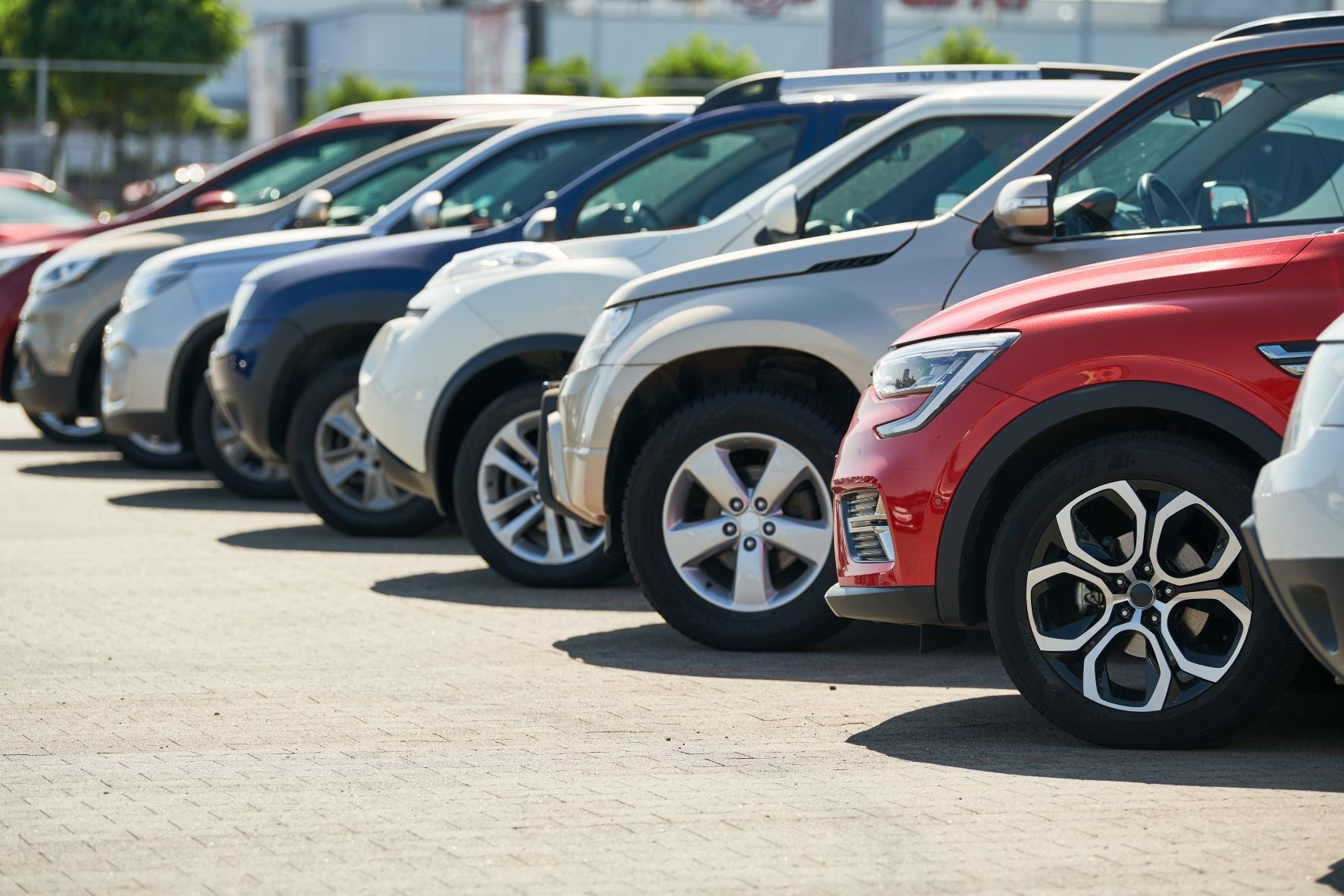
Cars Lined Up in a Dealership Shop

With new car purchase prices increasing with the rising economy, a used car can offer an excellent alternative if you know how to shop for one. That's because while it provides an opportunity to live more economically, a used car, by definition, has issues from regular wear and tear. But you can get the most bang for your buck- just avoid the following mistakes when buying a used car. 

Key Takeaways:

  • Buying a used car can be one of the smartest buying decisions if you know how to shop for one.
  • You should line up financing before you go car hunting.
  • Always test drive the car before taking it home.
  • Having the vehicle checked by a certified, independent mechanic is a step that should never be skipped.
  • If you don't like the auto deal, there's nothing wrong with walking away.

Failure to Line Up Financing Before Shopping

Before buying a used car, whether through a dealership or from a private owner on a website, you should figure out how you'll pay for it. Not everyone can fully lay down the cash for a vehicle- even for a used car. As such, you have to consider financing. Financing allows you to understand the upper limit of your price range, which makes negotiating prices easier. 

One key thing to note is that used car financing rates are typically higher than those for new vehicles. That's because if you default on your loan and the auto lender has to repossess the vehicle; they can get a better resale value on a new car than they can on a used car. 

Shopping Based on Monthly Payments

When people are looking for car financing, they often consider the monthly payments they'll have to make. And while a lower monthly payment is good for your budget, a more extended payment period means you end up paying more in the long run. Due to compounding interest, it might make more sense for you to take on a higher monthly payment since it's possible to pay back the principal within a shorter period. 

Buying Based on Looks

Buying a used car based on looks alone is a huge mistake. It's wise to consider why you need a car before buying one. That will help you buy a car that suits your purpose, needs, and preferences. Also, consider what you truly require out of a car- do you travel long distances and want good mileage? Is it necessary to have a large trunk space? Or do you need a lot of interior space for your big family? Make a list of priorities dictated by your lifestyle and buy a car based on them. 

Skipping the Test Drive

Did you know that first-time buyers of new cars test drive as many as seven new cars before making the purchase? On the other hand, as many as 18% of buyers of used cars don't test drive the car before making the purchase. This disparity in statistics could be the reason there are several third- and fourth-owner used cars on the roads. Unfortunately, when you forego to test drive the car before purchasing, you risk buying a car that's not running properly and experiencing buyer's remorse in the long run. 

Foregoing the Vehicle History Report

Whether buying your car from a licensed used-car dealer or a private party, getting a vehicle history report is a vital step in the car-buying process. A vehicle history report includes detailed information, such as where the car came from and whether it has been involved in an accident, stolen, or has outstanding finance. The report also provides insight into the vehicle's service history, mileage, and other attributes. Keep in mind that these reports contain only information that was reported and sometimes don't cover everything. So, always have an independent mechanic perform a thorough inspection to verify the report. 

Not Having the Car Inspected

When buying a used car, its condition is everything. Even the most reliable car might turn into a lemon if it has costly issues sometime down the line. So, before buying a used car, have it scrutinized by an independent mechanic that does routine diagnostic work. A skilled mechanic should be able to tell you if the vehicle has been in a major accident or has a hidden but costly problem. Ask for a written report detailing the vehicle's condition, noting any issues found and what it'd cost to repair them. You can use the report to negotiate with the seller to adjust the price accordingly.

Mixing Your Emotions and Your Money

Every buying decision human beings make is an emotional one, whether we realize it or not. But a car is probably the second most expensive purchase you'll make in your lifetime; so that emotional decision could cost you money. So, never buy a car impulsively or on the same day you test drive it. Instead, give yourself a few days to mule over it. 

Moreover, it's easy to get stubborn about the time you've spent getting the right price for the right used car. Sometimes, you might think you've already spent too much time on the process and simply want to get it done. So, instead of walking away, you'll accept terms you didn't want and ultimately resent the purchase and the process. 

Need Help Buying a Used Car? Contact the Experts!

A lot goes into buying a used car, and it's easy to get overwhelmed. Preparation and research should be your friends. Don't visit the dealership without securing financing, knowing the amount you want to pay, and having a list of must-have features. Overall, keep in mind that there's more to a car than its monthly payments. For more information about car buying or to check out our vast array of used cars for sale, contact us today!

Recommended Posts

AdobeStock_236407992

How to Find the Perfect Car for Your Family

Key Takeaways: Finding the perfect family car is about considering your family's unique needs. Safety features should be a top priority when choosing a family vehicle. Assess the car's size, seating capacity, and cargo space to suit your family's requirements. Fuel efficiency and maintenance costs are essential for budget-conscious families. Don't forget to check reviews and reliability ratings to make an informed choice. Consider purchasing from a trusted dealership to get the best deal. Finding the Perfect Car for Your Family As a responsible parent or guardian, one of your most significant decisions is choosing the perfect car for your family. This choice extends beyond mere transportation; it's about safety, comfort, and practicality. The right family car should meet your unique needs, ensuring that each journey, whether it's a school run, a road trip, or simply getting groceries, is a breeze. In this guide, we'll walk you through the art of selecting the perfect family car so you can make the right decision for your loved ones. Safety First: Protecting Your Loved Ones Every family's first concern when selecting a car should be safety. The road can be an unpredictable place, and ensuring your loved ones are well-protected is paramount. When exploring your options, check for the latest safety features. Features like advanced airbag systems, anti-lock brakes, stability control, and traction control are now standard in most modern vehicles. However, cutting-edge safety technology doesn't stop there. Look for cars equipped with: Adaptive Cruise Control: This technology adjusts your car's speed to maintain a safe following distance, perfect for long road trips. Blind Spot Monitoring: Alerts you if there's a vehicle in your blind spot, making lane changes safer. Lane Departure Warning: This feature will let you know if you drift out of your lane unintentionally. Automatic Emergency Braking: It can help you avoid or mitigate accidents by applying the brakes when it senses an imminent collision. Sizing It Up: What Does Your Family Need? The perfect car for your family also needs to be the right size. That means evaluating seating capacity, cargo space, and overall dimensions. The size of your family should guide your decision. If you have a small family or just one child, a compact or midsize sedan might suffice. However, larger families, or those planning for more children, may require a spacious SUV or minivan. Fuel Efficiency and Maintenance: Keeping Costs in Check Raising a family can be expensive, so it's essential to keep an eye on costs, both upfront and over time. Fuel efficiency is an excellent place to start. A car that guzzles gas can become a significant ongoing expense, especially if you have a lengthy daily commute or enjoy family road trips. Look for vehicles with good gas mileage, which can help you save money on fuel. Hybrid and Electric Cars: If you're particularly eco-conscious and want to reduce your carbon footprint, consider hybrid or electric cars. They are becoming increasingly popular due to their excellent fuel efficiency and low emissions. Maintenance Costs: Check for the typical maintenance costs of the vehicles you're considering. Some cars may require more expensive parts or specialized services, impacting your budget over time. Resale Value: Resale value is often overlooked but critical for long-term planning. Some car models hold their value better than others, potentially saving you money when it's time to sell or trade-in your vehicle. Technology and Entertainment: Happy Passengers Make Happy Trips Long drives or family road trips can be taxing for both kids and adults. Ensuring everyone stays comfortable and entertained can make a massive difference in your family's happiness during the journey. Entertainment Systems: Many family vehicles come with integrated entertainment systems, like rear-seat DVD players or even streaming capabilities. These can keep your kids occupied during long rides. Connectivity: Cars equipped with Wi-Fi hotspots and multiple USB ports are a hit with tech-savvy families. Now, everyone can stay connected, whether for work, school, or leisure. Air Conditioning and Heating: Keep everyone comfortable with excellent climate control systems. Those in the front and back seats need to be able to adjust the temperature to their liking. Reviews and Reliability Ratings: Making Informed Decisions In the age of the internet, information is at your fingertips. Don't make a decision without checking reviews and reliability ratings. Websites and publications dedicated to car reviews offer expert insights, and owner reviews can provide valuable real-world perspectives. Moreover, reading what other families have experienced with specific cars can provide practical insights. What do they like or dislike about the vehicles? Are there any common problems? And beyond your dealership's word, check official safety ratings from organizations like the National Highway Traffic Safety Administration (NHTSA) and the Insurance Institute for Highway Safety (IIHS). From Dealership to Driveway: The Importance of a Trusted Provider Once you've done your homework, assessed your needs, and test-driven several cars, it's time to consider where to make your purchase. A trusted dealership can make all the difference. Here's why it's crucial to buy from a reputable provider: Transparency: A reliable dealership will provide all the necessary information about the vehicle's history and condition so you know what you're getting. Selection: Established dealerships often have a broad selection of new and used cars, increasing your chances of finding the perfect family car. Service and Maintenance: When you buy from a dealership, you can usually count on having your car serviced and maintained there. It's convenient and ensures your vehicle is in the best shape. Financing Options: Reputable dealerships can offer various financing options, helping you find a payment plan that fits your budget. Find the Perfect Car Today! Every family has unique needs when it comes to choosing the perfect car. For some, it's all about spacious interiors and ample cargo room to accommodate kids, pets, and sports gear. For others, safety features take center stage to ensure the well-being of their loved ones. The perfect family car combines these factors to create a reliable and enjoyable driving experience. Visit our website today to view our inventory and find the ideal car for your family!

AdobeStock_270249393

9 Dashboard Warning Signs You Should Never Ignore

As a car owner, you share a silent conversation with your vehicle every time you take the driver's seat. The dashboard, adorned with an array of warning lights and symbols, communicates the health and well-being of your beloved automobile. Yet, in the hustle of daily life, it's easy to overlook these signals. In this guide, we unveil the mysteries behind the dashboard warning signs that demand your attention. Ignoring them could not only jeopardize your safety but also lead to hefty repair bills. Don't let dashboard warnings become a mystery. Visit York CDJR for expert diagnosis and maintenance. Your car's health is our priority. Discover more at our website. Why Ignoring Dashboard Warning Signs is a Costly Gamble 1. Early Detection Saves Money Dashboard warnings aren't just random lights; they are your car's way of alerting you to potential issues. Addressing these warnings promptly can prevent minor problems from escalating into costly repairs. A stitch in time truly saves nine when it comes to your vehicle's health and your wallet. 2. Safety First Many dashboard warnings are linked to safety features in your vehicle. Ignoring them could compromise your safety on the road. From ABS warnings to airbag indicators, each signal demands attention to ensure your car provides a secure environment for you and your passengers. 3. Understanding Your Vehicle Dashboard warnings serve as a diagnostic tool, offering insights into your car's health and performance. Understanding these warnings empowers you to make informed decisions about maintenance and repairs. It's an essential aspect of being a responsible and proactive car owner. 4. Proactive Maintenance Regularly checking and addressing dashboard warnings goes beyond reactive measures. It establishes a culture of proactive maintenance, enhancing your vehicle's overall longevity. Preventive actions based on these warnings contribute to a smoother and more reliable driving experience. 9 Dashboard Warning Signs You Should Never Ignore Your car's dashboard is like a communication hub, using warning lights to convey crucial information about your vehicle's health. Ignoring these warning signs can lead to serious issues and compromise your safety on the road. Here are nine dashboard warning signs that demand your immediate attention: 1. Check Engine Light The check engine light is a universal symbol that something is amiss under the hood. It could indicate issues with the engine, exhaust system, or emissions. Ignoring it may lead to decreased fuel efficiency and engine damage. 2. Brake System Warning Light This light suggests problems with your brake system, ranging from low brake fluid to issues with the anti-lock braking system (ABS). Addressing brake warnings promptly is crucial for your safety and the overall performance of your vehicle. 3. Battery Warning Light This light signals potential issues with your car's charging system or battery. Ignoring it may result in a dead battery and an unexpected breakdown. Prompt attention to battery warnings ensures reliable starting power. 4. Oil Pressure Warning Light Low oil pressure can lead to severe engine damage. The oil pressure warning light indicates a drop in oil pressure, demanding immediate action. Ignoring it may result in engine failure and expensive repairs. 5. Coolant Temperature Warning Light Overheating is a serious issue that can cause engine damage. The coolant temperature warning light alerts you to high engine temperatures. Ignoring it may lead to a breakdown and costly repairs. 6. ABS Warning Light The Anti-lock Braking System (ABS) warning light indicates a malfunction in this crucial safety system. Ignoring ABS warnings can compromise your ability to brake safely, especially in emergency situations. 7. Airbag Warning Light The airbag warning light signals a problem with the airbag system. Ignoring this warning may mean your airbags won't deploy in a collision, increasing the risk of injury. 8. Transmission Temperature Warning Light This warning light indicates high transmission fluid temperatures. Ignoring it can lead to transmission failure and expensive repairs. Addressing this issue promptly is essential for the longevity of your transmission. 9. Tire Pressure Monitoring System (TPMS) Light The TPMS light indicates low tire pressure, affecting vehicle handling and fuel efficiency. Ignoring it may lead to uneven tire wear and, in extreme cases, tire blowouts. Safeguard Your Drive with York CDJR In conclusion, your car's dashboard warnings are not to be ignored. They are your vehicle's way of communicating its needs and ensuring your safety. Ignoring these signals can lead to more significant issues and compromise the performance of your car. York CDJR invites you to prioritize your car's health. Visit our dealership for expert advice and reliable service. Don't let dashboard warnings be a mystery—address them confidently and keep your drive smooth and safe.

car service

The 9 Key Benefits of Regular Car Service

Key Takeaways: Regular car service enhances vehicle reliability, ensuring optimal performance on the road. Proactive maintenance reduces the risk of breakdowns and costly repairs, saving time and money. Improved fuel efficiency is a direct result of well-maintained components and systems. Car service extends the lifespan of your vehicle, preserving its value over time. Comprehensive inspections during service appointments identify potential issues before they escalate. Ensuring safety on the road, regular service addresses brake issues, tire wear, and other critical components. Manufacturer-recommended service schedules maintain warranty validity and adherence to industry standards. A well-maintained car contributes to a smoother driving experience, reducing stress for the owner. As a car owner, the bond with your vehicle is more than just a practical connection; it's a partnership built on trust and reliance. Every turn of the key symbolizes a journey, and the last thing any driver wants is an unexpected roadblock. The secret to unlocking the road to reliability lies in a simple yet powerful concept: regular car service. Beyond the routine oil change, a comprehensive car service is the key to ensuring your vehicle performs optimally and remains a reliable companion on every adventure. Let's delve into the essential benefits that regular car service brings to the table and why it's a non-negotiable aspect of responsible car ownership. Ensure your vehicle's reliability with regular service. Visit our car dealership for expert maintenance. Your journey deserves a trustworthy companion! The Key Benefits of Regular Car Service 1. Enhancing Vehicle Reliability Regular car service acts as a guardian of your vehicle's reliability. It goes beyond the surface, delving into the intricate components and systems that ensure your car operates at its best. Each aspect, from engine performance to brake efficiency, is meticulously inspected and addressed during a service appointment. This proactive approach mitigates the risk of unexpected breakdowns, providing you with the peace of mind that your vehicle is ready for any journey, short or long. 2. Reducing the Risk of Breakdowns and Costly Repairs The road can be unpredictable, but regular car service transforms the unexpected into the manageable. Service appointments significantly reduce the risk of breakdowns by identifying and addressing potential issues before they escalate. Imagine the inconvenience and potential expenses of being stranded on the roadside due to a preventable issue. Regular service is not just a financial investment; it's a strategic move that saves you time and money in the long run. 3. Improved Fuel Efficiency Every car owner appreciates the value of a fuel-efficient vehicle. Regular car service plays a crucial role in maintaining optimal fuel efficiency. Well-maintained components and systems, from the engine to the exhaust, contribute to a smooth and efficient operation. Clogged filters, inefficient spark plugs, or a misaligned engine can significantly impact fuel consumption. A comprehensive service ensures that these elements are regularly inspected, cleaned, or replaced, maximizing your miles per gallon. That benefits your wallet and minimizes your environmental footprint—a win-win for your finances and the planet. 4. Extending the Lifespan of Your Vehicle A car is an investment that extends beyond the initial purchase. Regular car service is the key to preserving and extending the lifespan of your vehicle. Just as we prioritize regular health check-ups for ourselves, our cars deserve the same attention. Routine maintenance, including oil changes, fluid checks, and filter replacements, ensures your vehicle's vital systems operate within optimal parameters. That enhances performance and contributes to the longevity of critical components. A well-maintained engine, transmission, and other essential parts translate to a vehicle that stands the test of time, preserving its value and reliability. 5. Comprehensive Inspections for Early Issue Identification One of the standout benefits of regular car service is the opportunity for comprehensive inspections. Skilled technicians meticulously examine various aspects of your vehicle, from the engine and transmission to the brake system and suspension. This in-depth scrutiny allows for the early identification of potential issues that might go unnoticed. Catching these concerns in their infancy allows for timely intervention, preventing them from evolving into more significant problems. 6. Ensuring Safety on the Road Safety is paramount on the road, and regular car service is a crucial component of ensuring your and your passengers' well-being. Brake issues, tire wear, and steering problems are common safety concerns that can be addressed during routine service appointments. A well-maintained brake system, for instance, ensures prompt response and effective stopping power, a critical factor in avoiding accidents. Tires, the only point of contact between your vehicle and the road, are inspected for wear and alignment issues, contributing to stable handling and optimal traction. 7. Manufacturer-Recommended Service Schedules Car manufacturers establish service schedules based on extensive research and testing to ensure optimal performance and longevity of their vehicles. Adhering to these recommended service schedules is not just a suggestion; it's a commitment to maintaining your vehicle in accordance with industry standards. Regular service appointments at specified intervals keep your car in peak condition and contribute to the validity of your vehicle's warranty. 8. A Well-Maintained Car Contributes to a Smoother Driving Experience The joy of driving is amplified when your vehicle operates seamlessly. A well-maintained car contributes to a smoother driving experience, reducing stress and enhancing overall satisfaction. Imagine a car that responds promptly to your commands, accelerates smoothly, and precisely glides through turns. These characteristics are not solely the domain of luxury vehicles; they are attainable through regular everyday car maintenance. From the engine's responsiveness to the smooth transmission operation, every aspect of your driving experience is elevated when your vehicle is well cared for. 9. Addressing Minor Issues Prevents Major Problems The adage "an ounce of prevention is worth a pound of cure" holds in the realm of car ownership. Regular service appointments provide a platform for addressing minor issues before they escalate into major problems. A seemingly insignificant noise or a slight performance variation may indicate an underlying concern. Identifying and addressing these issues promptly prevents them from snowballing into significant and potentially costly repairs. It's a proactive approach to car ownership that aligns with the principle of managing small challenges before they become formidable obstacles. A Reliable Journey with York CDJR The road to reliability is paved with regular car service. The benefits are extensive and far-reaching, from enhancing vehicle reliability and reducing the risk of breakdowns to improving fuel efficiency and ensuring safety on the road. Visit our car dealership to explore how regular car service can unlock the road to reliability for your vehicle.