





Smart Pixel

York Dodge Chrysler Jeep Ram

Blog / Blog

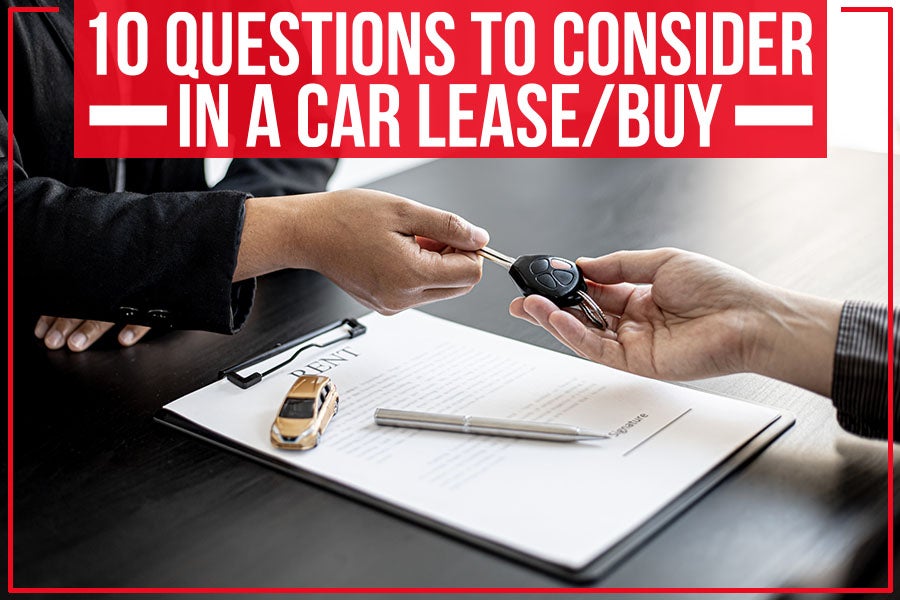
10 Questions To Consider In A Car Lease/Buy

10 Questions To Consider In A Car Lease/Buy

Key takeaways:

  • Leasing a car can be a great way to get a new car without having to go through the inconvenience of trading in or selling your old one every few years. However, if you plan on driving more than the average person, leasing might not be the best option, as you could pay more in mileage fees.
  • While financing a car may have higher monthly payments, you will eventually own the car outright. This can be beneficial if you keep the car for many years or pass it down to another family member.
  • Before signing any papers, do your homework and compare offers from many vendors.

Deciding between buying and leasing is important, whether it's your first or fifth car. Do you save money for a down payment and finance the remaining amount to buy your wheels? Or would renting a car—a lengthy rental—be a better option?

The choice between leasing or financing a car relies on many variables, including your budget, expected mileage, and how long you want to retain the vehicle. Here are some questions York Dodge has prepared for you to contemplate as you consider your options.

Question 01: What amount of car payment am I looking for?

Down payment:

A greater down payment might decrease your monthly payments if you're financing a car. A down payment on a lease may or may not significantly lower your monthly payments. To evaluate total expenditures throughout the lease term, request two quotes: one with a down payment you can afford and one without.

Monthly payments:

When leasing a car, you're only paying for the depreciation of the vehicle plus interest, taxes, fees, and any other charges specified in your lease agreement. However, when you are financing a car, you're also paying for the interest on your loan. Throughout the loan, this can add up to hundreds or even thousands of dollars.

Question 02: How long do I plan to keep the car?

If you're the person who constantly wants to drive something new, leasing can be a better choice than owning a car since lease lengths are typically three years. However, remember that if you need to return your leased vehicle early, you'll still be responsible for paying any outstanding payments and contract termination costs. Financing or a car loan may be better if you value ownership and want to use the vehicle for as long as feasible.

Question 03: How many miles do I plan on driving per year?

Mileage is important to consider because, with a lease, you're typically allotted a certain number of miles per year — usually between 12,000 to 15,000. If you go above that limit, you'll be subject to fines and significant per-mile overage fees on top of that. When financing a car, there's no limit on how many miles you can drive.

Question 04: How does the insurance involvement work?

Since the leasing company technically owns the vehicle outright and wants to ensure it is adequately insured in case of an accident, leasing frequently results in a higher insurance rate. Although the baseline coverage requirements won't be as high, the finance company will still demand insurance when financing a car. Of course, you should always carry enough insurance to cover your needs.

Question 05: What matters more when it comes to trade-ins?

Leasing an automobile is hard to match for convenience. Driving to the dealership, turning over the keys, and walking away is about as easy as it gets. However, buying is preferable if you want the chance to receive cash for your old automobile. You may immediately start saving money by using whatever your automobile is worth during trade-in as a down payment for your future vehicle.

Question 06: Am I prepared for unexpected maintenance expenses?

All auto manufacturers provide standard warranties to cover broken items. Additionally, several automakers provide maintenance contracts that include wear-and-tear items like brakes, wipers, and engine oil. If you lease a car, your whole lease term could be covered, and you might not have to pay maintenance-related costs because these warranties and maintenance agreements often run for three or four years. After these contracts expire, you will be responsible for paying these costs or doing the necessary auto repairs if you decide to purchase and maintain your vehicle.

Question 07: Do I like to change?

You may receive a new automobile every two to three years by trading in your old one if you have a lease. Leasing may be ideal for people who like to have the newest car models and don't mind making monthly payments. If you purchase a car, on the other hand, you can keep it for as long as you want and eventually sell it or trade it in for a new one.

Some individuals like to have the option of buying a new automobile every few years, while others prefer to make payments on something they already own outright.

Question 08: How well will I maintain its condition?

When you return a leased car after three years, normal wear and tear, such as worn tires and windshield wipers, is expected; anything past that might result in a fine. Purchasing a car can be a better choice if you want to stop thinking about this.

Question 09: Do I want to modify the vehicle?

You should purchase your automobile if you want it to reflect your individuality through features like unique wheels. Customizing a vehicle is typically not possible while leasing one. You might be able to recuperate some of your costs if you improve elements like the music system or the safety features when you trade the car in.

Question 10: Will I be working a side job with the car?

If you plan on starting a business or using a car to make extra money through services like Uber, you should purchase a car. Leasing companies typically frown upon this as contractual restrictions often apply to corporate usage. Additionally, driving for work might result in you exceeding your yearly mileage cap significantly. Before using the automobile for anything more than ordinary driving, it is important to first speak with the leasing company.

Ending note:

Leasing or financing a car is a big decision with many variables. Weigh all the pros and cons before choosing to ensure you get the best value and deal for your money.

York Dodge Chrysler Jeep RAM serving Prescott, Arizona, specializes in new and used automobiles. You can get your dream car with the help of our finance team.
Visit us today and finance your car!

Posted in:

Related Posts

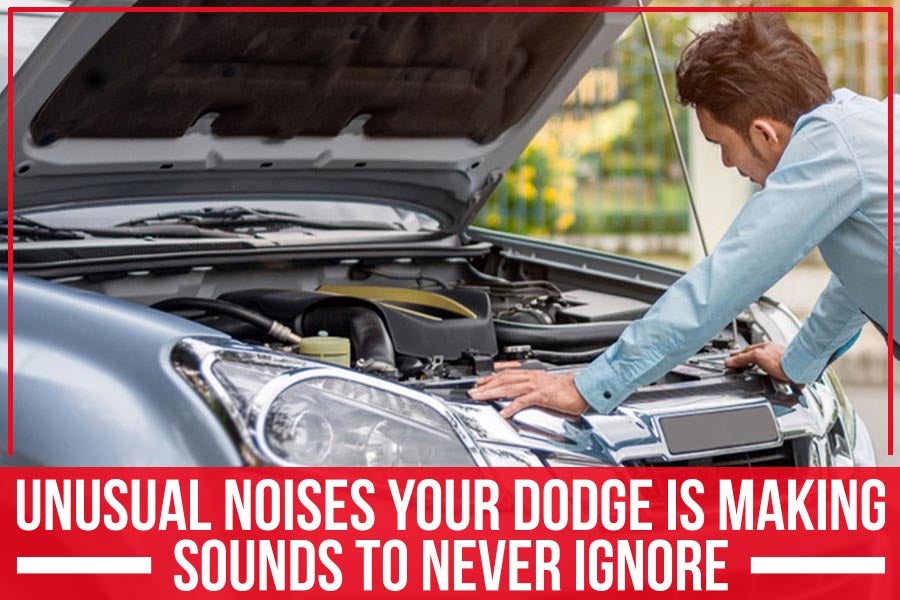
Unusual Noises Your Dodge Is Making – Sounds To Never Ignore

Unusual Noises Your Dodge Is Making – Sounds To Never Ignore

Key Takeaways: Unusual noises coming from your Dodge may indicate a bigger problem. If you hear any strange noises, it's best to take your car to a mechanic to have it checked out. Some everyday noises that may cause concern include engine noise, tire noise, and brake issues. You can spot the problem if you know what each noise means. Any form of unusual sound is a sign of alarm. Be it a buzzing bee, a screeching cat, or a strange noise from the belly of your car. You heard it right. And it's possible you already hear strange car noises in your Dodge but can't put your finger on what the sound may be. At York Dodge, we understand how important it is for car owner's to be in the know of their vehicle. So, here’s a list of some unusual car noises your Dodge is making listed by the problem areas. 1. Engine Noises Some common engine noises can be: A rattling noise If the sound you hear is close to metals rattling and coming from under the hood, it could signal engine failure. However, if this engine noise isn't too loud, it may be due to loose components in the engine, such as heat shields or spark plugs. On top of this, if you see that your check engine light is turned on, you must take your car in for professional help, as this could be a more severe problem. A hissing car noise This particular engine noise can be heard when you start your car in the morning. It could be due to a coolant leak. When the radiator hose or water pump starts to fail, it could result in a coolant leak. Do notice if you see smoke coming from under the hood accompanied by a hissing sound. If both boxes tick, you have a severe problem and must take your car in for immediate repair. An engine that knocks Low oil pressure is generally the primary culprit of this lethal engine noise, but connecting rods can also make this noise. When your engine starts to knock, the fuel mixture detonates inconsistently in the cylinders. This may damage your Dodge beyond repair. So what do you do? You guessed it, bring it in for a repair! A whirring noise You may hear a whirring noise when there's a problem with an alternator or serpentine belt. If the alternator goes bad, your car will eventually lose power and come to a stop. The serpentine belt keeps all of the engine's pulleys running smoothly. If it breaks, your engine will overheat quickly. To resolve this problem (or should we say a range of problems), trust a Dodge service at a reputable dealership. 2. Tire Noises A humming noise When your wheels go out of balance (for many reasons), your Dodge will produce a particular humming sound. This tire noise is associated with vibrating tires, often making driving an unpleasant experience. Following some guidelines, you can save your tires from going out of balance. A roaring tire noise Your Dodge tires can only take so much wear and tear before they need to be replaced. If you start hearing a roaring sound when driving, it's likely an indication that your tires are becoming bald. It's a common and one of the first signs of losing traction where you may start to feel your car drifting or sliding. Losing traction can cause lethal accidents, so if you notice bald spots or your tires are beginning to roar, get them replaced as soon as possible. 3. Brake Noises A screeching car noise It's never a pleasant experience for your ears when you hear a screeching noise while driving. Unfortunately, this is often a sign that your brakes need attention. The underlying problem here is usually worn-down brake pads. By getting your brakes serviced regularly, you can avoid this problem and keep your Dodge lively for a more extended period. A grinding brake noise If there could be one telltale sign that your brakes have a problem, it would be a grinding car noise. This is often indicative of metal-on-metal contact, which means that your brake pads have been completely worn down. Another common issue is when dust and debris accumulate and get caught between the rotor and pads. A squealing sound You can detect your Dodge squealing when you start it up in the morning. But as you continue to drive, the car noise goes away. This is often caused by humidity and condensation buildup overnight. When you first start to drive, the moisture on your brakes will quickly heat up and evaporate, causing that squealing noise. In other, more extreme cases, you will need to replace your brake pads. 4. Suspension Noises A popping or creaking sound Such sounds often point toward suspension issues. Your car's suspension system ensures a smooth ride, regardless of the terrain. You'll feel every bump, crack, and pothole when it fails to do its job. Keep your ears peeled for any noises or sounds that seem to be coming from the bottom of your car. If the noise you hear falls close to a series of "pop," your suspension is to blame. A clunking sound A clunking sound usually indicates that your shocks or struts have failed. What are these? Well, your shocks are designed to minimize the amount of contact between your car and the road. Your struts, on the other hand, support the frame and weight of your vehicle. When either of these is not working correctly, you'll feel every slight imperfection while driving. Conclusion: Cars are intricate machines with many different parts that all need to work together for the car to run smoothly. Just like with any other machine, problems and noises can occur when something isn't working right. In this blog post, we've discussed some of the most common car noises and what might cause them. We hope this simple guide was helpful and gave you a thorough understanding of what's going on under the hood (or inside your tires). Dodge Dealership in Prescott, AZ If you think you have a problem and would like us to take a look, please don't hesitate to get in touch. At York Dodge, serving Prescott, AZ, we understand exactly what your Dodge needs. Our expert technicians will have a look at your vehicle and spot the problem in a jiffy. Let us help you resume your vehicle's glory with our certified Dodge, Chrysler, Jeep, and Ram service. Schedule a service appointment today.

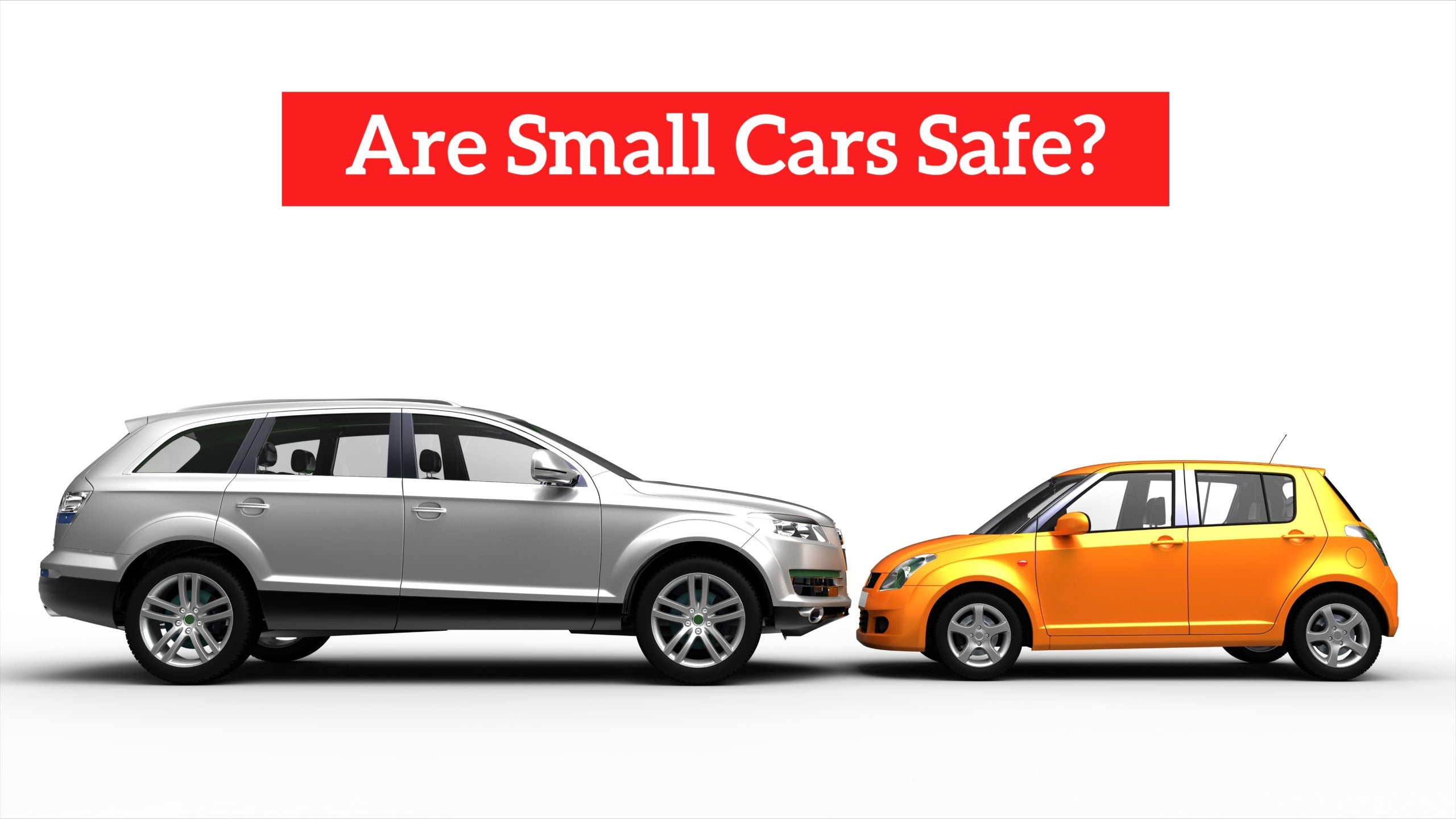
Are small cars safe?

Are Small Cars Safe? Facts About Car Safety

When car shoppers come to our dealership they ask, "Are small cars safe?" The short answer we give is yes! Smaller vehicles are often preferred by drivers who want better fuel efficiency and a more maneuverable ride. But many people worry that they're not as safe as larger, heavier models. Here are the facts about car safety you should know: Bigger Cars Are Safer Than Smaller Ones Despite their smaller size, small cars can still be just as safe as larger ones if they have the right safety features installed. However, because of their lightweight and small size, small cars are more susceptible to rollovers during accidents. Bigger, modern cars are safer in frontal crashes thanks to their bigger crumple zones and longer hoods. Older (Bigger) Cars are Not Safer Than Newer (Smaller) Cars A big car that was built 10 years ago may lack features like airbags, anti-lock brakes, and electronic stability control. In contrast, today's small cars are packed with the latest safety tech such as forward collision warning systems, backup cameras, and blind spot detection. For this reason, modern small cars are a safer option. Crash Test Score Don't Compare Across Size Classes It's important to note that all car size classes are not created equal. In other words, the results of a small car crash test may not be directly comparable to a larger vehicle of the same class. Therefore, don't take crash test scores at face value—always do your own research before purchasing any vehicle. All Vehicles Have Benefitted From Safety Advances Over the years, many of these safety features have trickled down from luxury brands to affordable models. For example, the Insurance Institute for Highway Safety (IIHS) first crash-tested minivans and SUVs in the 1990s and then evaluated passenger cars beginning in 1995. As a result, small cars now include similar technologies as larger vehicles. According to 2015 IIHS data, death per million registered vehicles, smaller cars had the lowest death rate of any category at 57%. Why Buy a Small Car? If you're looking to downsize and buy a smaller and more compact car, there are several reasons why these vehicles may be a good choice for you. Smaller cars are often cheaper, more fuel efficient, and easier to maneuver in busy cities. Additionally, some smaller cars are just as safe or even safer than larger vehicles when it comes to crash test results. Need Help Buying a Small Car? York Dodge Chrysler Jeep Ram Will Help! If you're interested in buying a small car, but aren't sure where to start, reach out to York Dodge Chrysler Jeep Ram. We'll offer test drives and comparison tools to help you learn more about the different models available and the options at your disposal. Contact us today to learn more.

Different Types of Automotive Car Engines

We all get mesmerized by the beauty of the exterior of a car, forgetting that the interior tells what the car would be able to do. There are many critical interior parts of the car that keeps it running, one of which is the engine. But car owners hardly pay attention to this car part which holds power necessary for the car's functioning. The engine is secured under the car's hood and usually looks like a gigantic jumble of tubes, wires, and metal. Car engines come in different varieties and forms, performing the same function. Basic knowledge about them can help make the difference between selecting the right car and saving on servicing fees. Read ahead to learn about the types of car engines, how they work, and the different engine models and cylinder configurations. How Car Engines Work Although there are different car engine types when talking about layout and sizes, most cars are combustion engine vehicles (except the hybrid electric models). In an internal combustion (IC) engine, fuel is ignited and combusted to generate mechanical energy. And the process that results in the release of energy from the fuel and air mixture present in the engine is called combustion. Internal combustion engines are made of pistons and cylinders. The generated mechanical energy pushes the pistons into motion, which rotates the crankshaft. And the gears set in motion by this process help move the vehicle's wheels. The Combustion Cycle Thousands of controlled explosions occur within the engine every minute it is running. Many IC engines have a combustion cycle with four strokes. The processes include: Intake: When pistons move up and down with the crankshaft's motion, they reach the valves placed on the camshaft. The downward motion of the piston and rotation of the camshaft by the timing belt causes the valves to open and release the air-fuel mixture. This stroke is caked intake. Compression: During the compression stroke, the intake and exhaust valves remain closed. And the upward motion of the piston compresses the mixture towards the spark plugs. Combustion: The spark plug creates a spark that ignites the air-fuel mix and causes a small explosion. The force from the explosion pushes the piston down rapidly and produces the energy that powers the engine. Exhaust: The exhaust stroke is the final process in the cycle. The exhaust valve opens when the piston gets to its lowest point. As the piston moves up again, it ejects the gases produced by the explosion through the exhaust valve. Then the process is repeated. Some engines use turbocharging to force in more air. Turbochargers are small turbines connected to engines. They produce an enormous explosion which results in more power. Turbo engines were first used to make more power in sports cars but are now used in smaller cars as well for more efficiency. Diesel engines are also four-stroke engines. However, they are different from petrol engines in how they complete the combustion process. They rely on high compression ratios instead of using spark plugs to ignite the fuel-air mix. Car Engine Models There are different layouts for car engines. Their differences arise when considering fitting the engine beneath the bonnet or improving its fuel efficiency and smoothness. The following are the most common layouts: Inline Straight V VR and W Flat Inline In the inline engine layout, the cylinders are arranged in a line, with an upright position, usually perpendicular to the car. It is a popular layout since it allows for a more compact engine. And can be found in several small hatchback cars. Straight In a straight engine layout, cylinders are positioned in a line parallel to the car (front to back). For this reason, more cylinders can fit into the engine, allowing more power output. The layout is popular among powerful cars. V The cylinder arrangement depicts a V-shape when you look at the V-engine from the front side. The cylinders are arranged at a 60-degree angle. The V layout is found in high-performance vehicles as it allows for the squeezing of more cylinders, thus increasing the power output. Additionally, its cylinders consume less space compared to other engine layouts. VR and W The Volkswagen Group developed this engine layout. It has the same principle as V engines. But the cylinders have a very narrow space between them, and it looks like they are squished together in one block. The W configuration joins the two banks of VR engines at the base. However, manufacturers rarely use this layout. Flat The cylinders are arranged horizontally in a flat engine layout, with two rows facing outwards. This layout is not very common in cars, but they are well-regarded for keeping the center of gravity low, which aids car handling. Porsche and Subaru are one of the largest manufacturers using this layout. Engine Cylinder Configurations There are different types of engine cylinder configurations. Like cylinder arrangement, the number of cylinders can also determine the fuel efficiency, power, and noise an engine makes. Let's take a look at them: Twin-Cylinder Three-Cylinder Four-Cylinder Five-Cylinder Six-Cylinder Eight+ Cylinders Twin-Cylinder This engine type is rare because it offers a low power output. Nonetheless, some manufacturers use turbo for cars equipped with twin-cylinder engines to increase power. An example is the Fiat TwinAir which can be found in cars like the Fiat Panda Aria and the Fiat 500 TwinAir. Three-Cylinder Three-cylinder engines produce prattling noises and exhibit shuddering vibration because of the odd number of cylinders which affects the engine's balance. These engines are used on small cars. However, with the introduction of turbochargers, they now appear on larger family hatchbacks like the Ford Focus. Four-Cylinder Four-cylinder engines are found in several cars ranging from small to mid-range ones and are usually in an inline engine layout. This cylinder configuration is the most common. They offer a significant power output which can also be increased by introducing a turbocharger. Five-Cylinder Five-cylinder engines are rarely used since they have a vibration effect similar to three-cylinder engines. One manufacturer that uses five-cylinder engines is Volvo because the car's comfort neutralizes the vibration effect. Six-Cylinder This cylinder configuration is found in sports and high-performance cars and is usually arranged in a straight or V-engine layout. Six-cylinder engines were not considered powerful, but thanks to turbochargers, they are now fitted to powerful cars. Eight+ Cylinders Cars equipped with eight or more cylinders are usually supercars. They are usually arranged in a V formation, hence the names V8, V10, V12, and even V16, found in the Bugatti Veyron. Conclusion An engine is the heart of a car. It transforms heat energy from the combustion process into mechanical energy that causes the car to move. Furthermore, there are different types of car engines, each offering different forms of power output and efficiency. If you are interested in car parts and engine parts, visit our website at York Dodge Chrysler Jeep Ram. Schedule an appointment with us today for the best type of engine for cars.