







Key Takeaways:
- Car safety features have come a long way, providing advanced technologies to enhance your safety on the road.
- When purchasing a Dodge vehicle, exploring the available safety features is essential to ensure a secure driving experience.
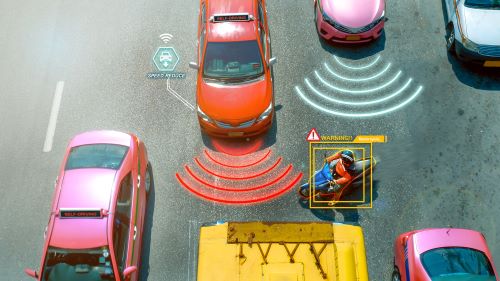
- Technologies like adaptive cruise control, blind-spot monitoring, and lane departure warning systems can significantly reduce the risk of accidents.
- Car dealerships like York CDJR can provide you with the latest Dodge vehicles equipped with these safety features.
Dodge vehicles have a reputation for power and performance. They also offer an array of advanced car safety features to keep you secure on the road. In this comprehensive guide, we’ll explore the top nine car safety features your Dodge should have. These advanced technologies are designed to enhance your driving experience and reduce the risk of accidents. Understanding and utilizing these safety features can significantly affect your safety and peace of mind.
At York CDJR, we’re committed to helping you find the perfect Dodge vehicle equipped with these advanced safety technologies.
Adaptive Cruise Control (ACC)
Adaptive Cruise Control (ACC) is a remarkable advancement in automotive safety. This feature maintains your desired speed on the highway and adapts to the traffic flow around you. ACC utilizes a combination of sensors, radar, and cameras to monitor the road ahead, ensuring a safe following distance from the vehicle in front of you.
This technology significantly reduces the need for constant speed adjustments, especially during long drives or heavy traffic. ACC enhances your driving experience by mitigating the stress of maintaining a consistent speed and distance from other vehicles, making it a must-have feature for those who frequently embark on road trips or commute in congested urban areas.
Blind-Spot Monitoring (BSM)
Blind-spot monitoring (BSM) is crucial to any modern vehicle, including your Dodge. It eliminates one of the most significant hazards on the road – blind spots. Using a combination of sensors and cameras, BSM detects vehicles located in your blind spots, typically signaling this with a warning light in your side mirrors. This technology is invaluable during highway driving or when changing lanes. It serves as an additional set of vigilant eyes, enhancing your situational awareness and promoting safer driving practices.
Lane Departure Warning (LDW) and Lane-Keeping Assist (LKA)
Lane Departure Warning (LDW) and Lane-Keeping Assist (LKA) are a dynamic duo designed to keep your vehicle within its designated lane. LDW acts as the initial line of defense by alerting you when your car unintentionally drifts out of its lane, usually through visual or auditory signals. However, LKA takes it to the next level by actively intervening when needed, gently steering your vehicle back into its lane if you don’t respond to the warning. These features are especially crucial during extended drives, where driver fatigue and inattentiveness can become a concern.
Automatic Emergency Braking (AEB)
Automatic Emergency Braking (AEB) is an absolute game-changer in automotive safety. This technology employs sensors and cameras to keep a vigilant eye on the road ahead, detecting potential collisions before they happen. If it identifies an impending collision and you fail to react promptly, AEB takes matters into its own hands, automatically applying the brakes to prevent or mitigate the severity of the impact. It, therefore, is particularly vital for city driving, where unexpected stops and starts are common.
Forward Collision Warning (FCW)
Forward Collision Warning (FCW) is a valuable safety feature that works with AEB. FCW serves as the first line of defense by alerting you when it detects an imminent collision. It provides an early warning, allowing you crucial seconds to react and potentially avoid the collision. It’s indispensable for highway driving and situations where rapid decision-making is paramount for your safety. It ensures you’re aware of potential dangers well before they become critical. This advanced warning system complements AEB beautifully, creating a safety net that significantly reduces the risk of rear-end collisions, one of the most common types of accidents on the road.
Rearview Camera
A Rearview Camera is a deceptively simple yet incredibly effective safety feature. It is designed to improve visibility when reversing your Dodge, providing a clear view of what’s behind your vehicle. This technology aids in avoiding obstacles, pedestrians, and other vehicles, making parking and maneuvering in tight spaces much more manageable. The rearview camera in modern Dodge vehicles often comes with advanced features, such as dynamic guidelines. These guidelines move in real-time, indicating your vehicle’s path as you turn the steering wheel.
Parking Sensors
Parking Sensors are invaluable to your Dodge’s safety arsenal, especially if you frequently navigate busy urban areas. Typically located in the front and rear bumpers, these sensors use ultrasonic or electromagnetic technology to detect obstacles while parking.
As you approach an object, the sensors emit audible alerts that intensify as you get closer, providing an accurate sense of your proximity to obstacles. This feature is especially beneficial when your vision is limited or obstructed, such as crowded parking lots or parallel parking on a busy street.
Rear Cross-Traffic Alert (RCTA)
Rear Cross-Traffic Alert (RCTA) is another safety feature that complements your Dodge’s safety suite, providing additional security when reversing. RCTA monitors the area behind your vehicle, specifically for cars approaching from the sides. That is particularly useful in scenarios where your vision may be obscured, such as when backing out of a parking space or a driveway.
RCTA works in conjunction with your rearview camera and parking sensors. If the system detects an approaching vehicle, it provides an audible and visual warning, alerting you to the potential danger.
Electronic Stability Control (ESC)
Electronic Stability Control (ESC) is a fundamental safety feature that enhances your vehicle’s stability, especially in challenging driving conditions. ESC utilizes a network of sensors to monitor your car’s movement continuously. If it detects any skidding or loss of control, it can selectively apply the brakes to individual wheels to help you regain stability and maintain your intended path.
Conclusion
When considering a new Dodge vehicle, it’s crucial to prioritize safety. The top car safety features discussed in this guide are designed to keep you and your passengers secure on the road. At York CDJR, we’re committed to helping you find the perfect Dodge equipped with these advanced safety technologies. These features enhance your safety and provide peace of mind, allowing you to experience the power and performance that Dodge vehicles are renowned for without compromising on safety.
Connect with us

